The practical answer is simple: you visit Naissaar when the boat runs, which in most years means from about May to September. The best all-round period is mid-June to late August, when sailings are most frequent, the days are longest and the sea is at its warmest.
Naissaar shares Tallinn’s climate, tempered by the sea: cool springs, mild summers with highs usually around 20 °C, and a long, grey autumn. Weather in the Gulf of Finland is changeable at any time, and wind matters more than rain, because wind is what cancels boats.
Month by month
| Period | Weather | Boats | What it is like |
|---|---|---|---|
| May | Cool, often bright; around 10–16 °C | Season begins; limited sailings | Fresh green forest, migrating birds, hardly any visitors; sea still very cold |
| June | Mild; around 15–20 °C | More sailings from midsummer | White nights, wildflowers, long light evenings; mosquitoes arrive |
| July | Warmest month; around 18–23 °C | Fullest timetable | Beach weather, bilberries, festival performances; book boats ahead |
| August | Warm; sea at its warmest | Full timetable, thinning late in the month | Best swimming, lingonberries from late August, darker evenings |
| September | Cooling; around 10–16 °C | Fewer sailings; season ends | Mushrooms, autumn colour, quiet trails; windier |
| October – April | Cold, dark, often stormy; snow and ice in winter | No regular service | Private arrangement only; facilities closed |
Summer: the main season
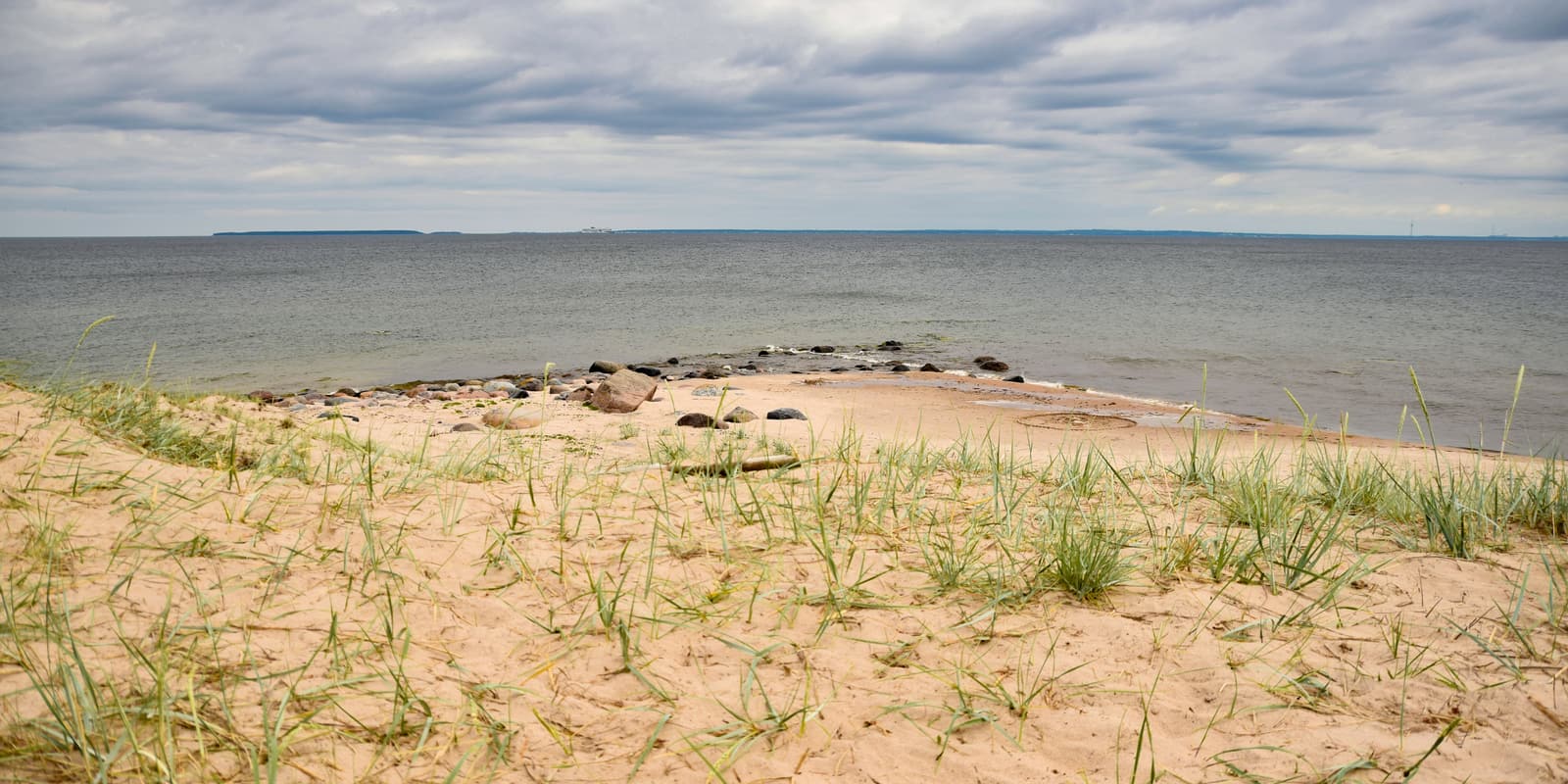
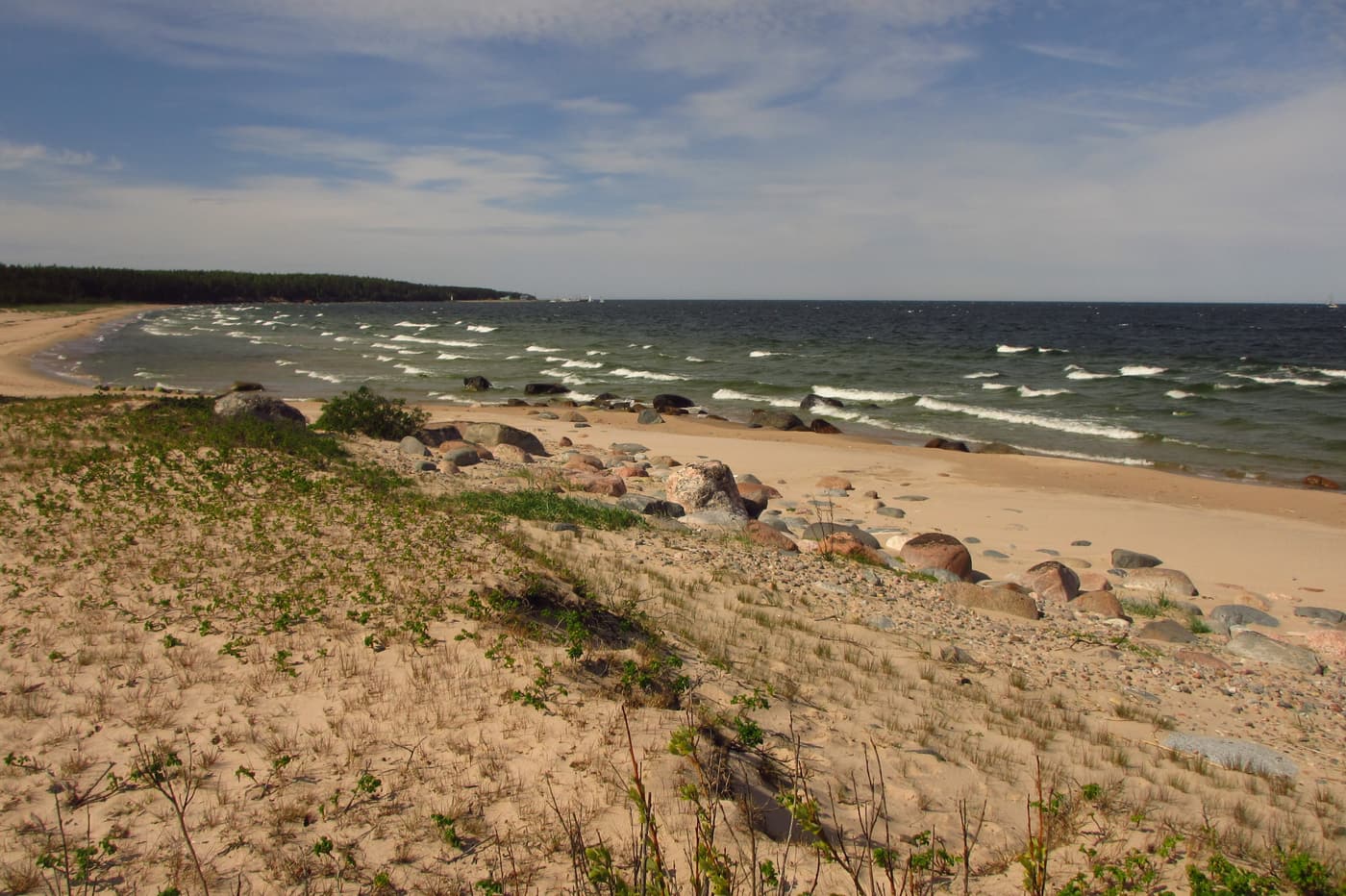
Around midsummer the sun barely sets on Estonia’s north coast: in late June there are more than eighteen hours of daylight and it never gets fully dark. A day-tripper can be on the island until evening and still sail home in sunshine. July and August are the warmest months and the only ones when most people will enjoy a swim. They are also the busiest — by Naissaar’s modest standards — so book boat seats in advance for weekends.
Spring and early summer
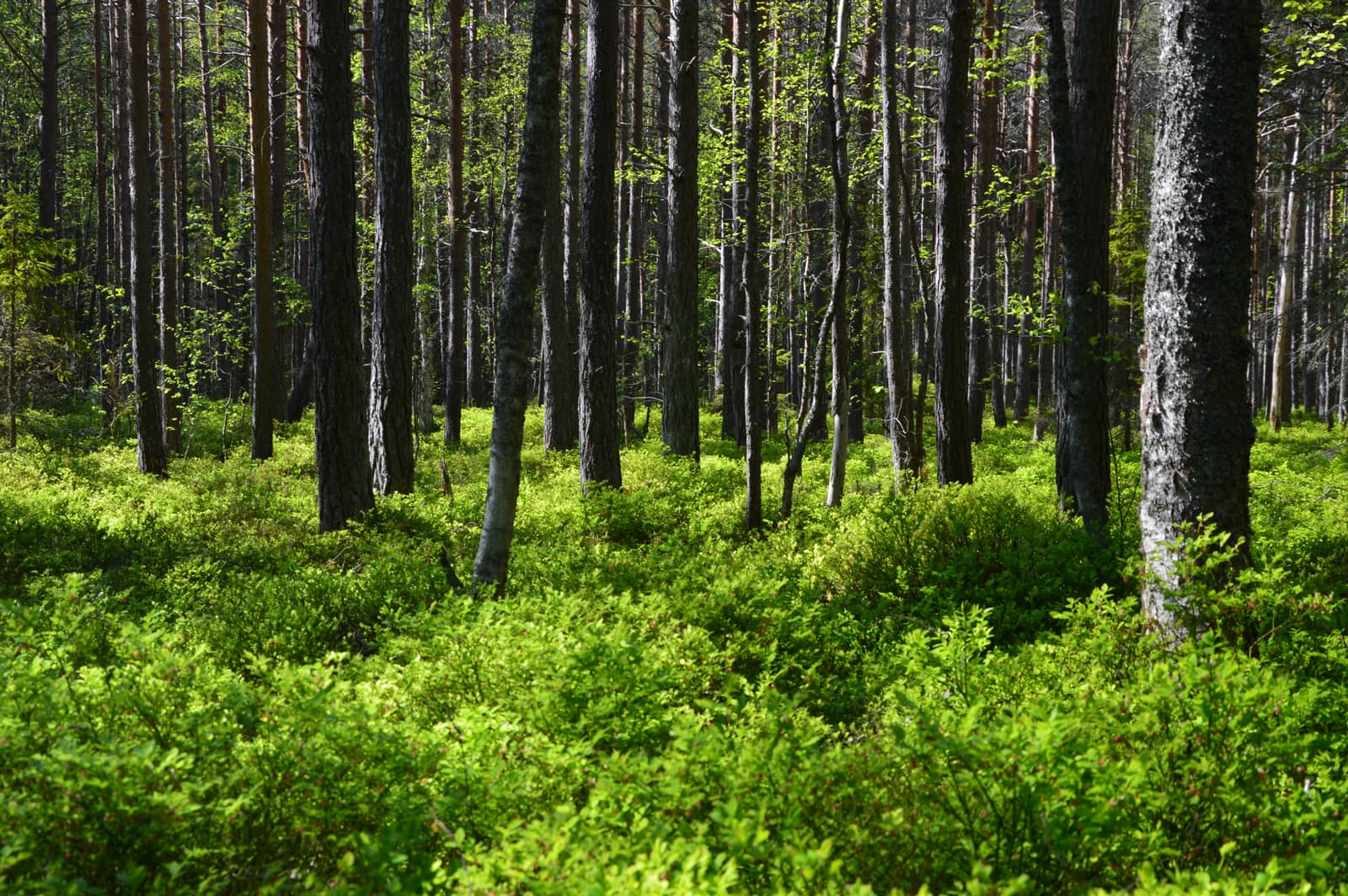
May and early June are for walkers and birdwatchers. The forest floor is bright with new growth, migrants pass along the coast and you may have a trail to yourself all day. Sailings are fewer, the café may not be open yet and you will want warm clothes for the boat.
Late summer and autumn
From mid-August the evenings draw in and the forest turns to berries and mushrooms. September brings colour in the birches and aspens and a real sense of the island closing down for winter. Check carefully which days the boat still sails.
Winter
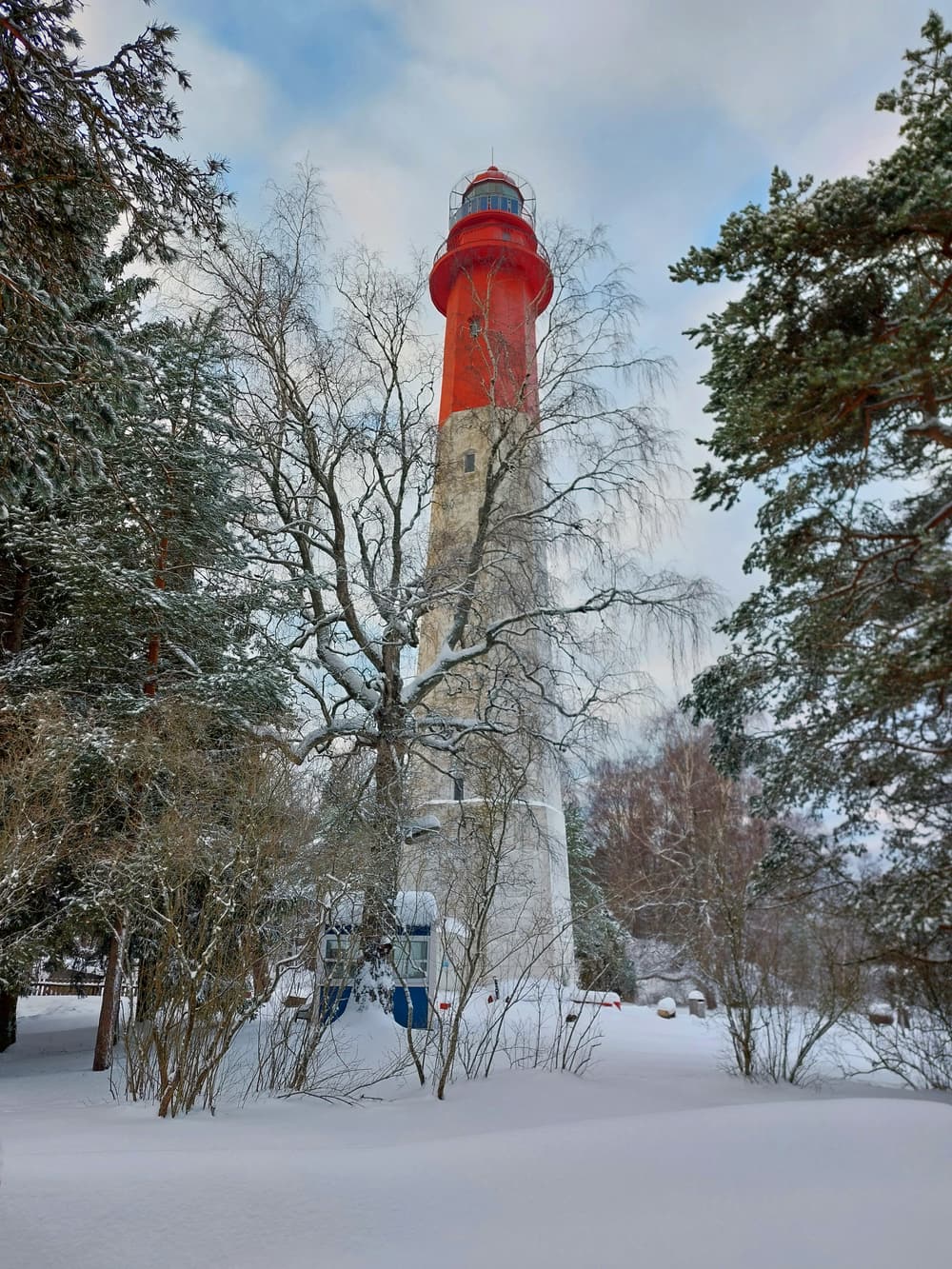
There is no scheduled boat in winter. In cold years the bay can partly freeze. Naissaar becomes what it was for most of the last century: something you look at from Tallinn’s shore. The photograph of the lighthouse in snow on this page shows what the few winter residents see.
Events
- Nargenfestival — concerts, opera and theatre at Omari Küün on selected summer dates, with special boats from Tallinn.
- Midsummer (Jaanipäev, 23–24 June) — Estonia’s biggest summer celebration; boats and accommodation are in demand.
- Church services and island days — St Mary’s church in Lõunaküla holds occasional summer services and commemorations, often attended by descendants of the island’s Swedish families.
Weekday or weekend?
If the timetable gives you the choice, go on a weekday. The boat is easier to book, the truck tour is less crowded and the beaches are empty. Weekends have more atmosphere and, early and late in the season, may be the only days with sailings.