Skip to content
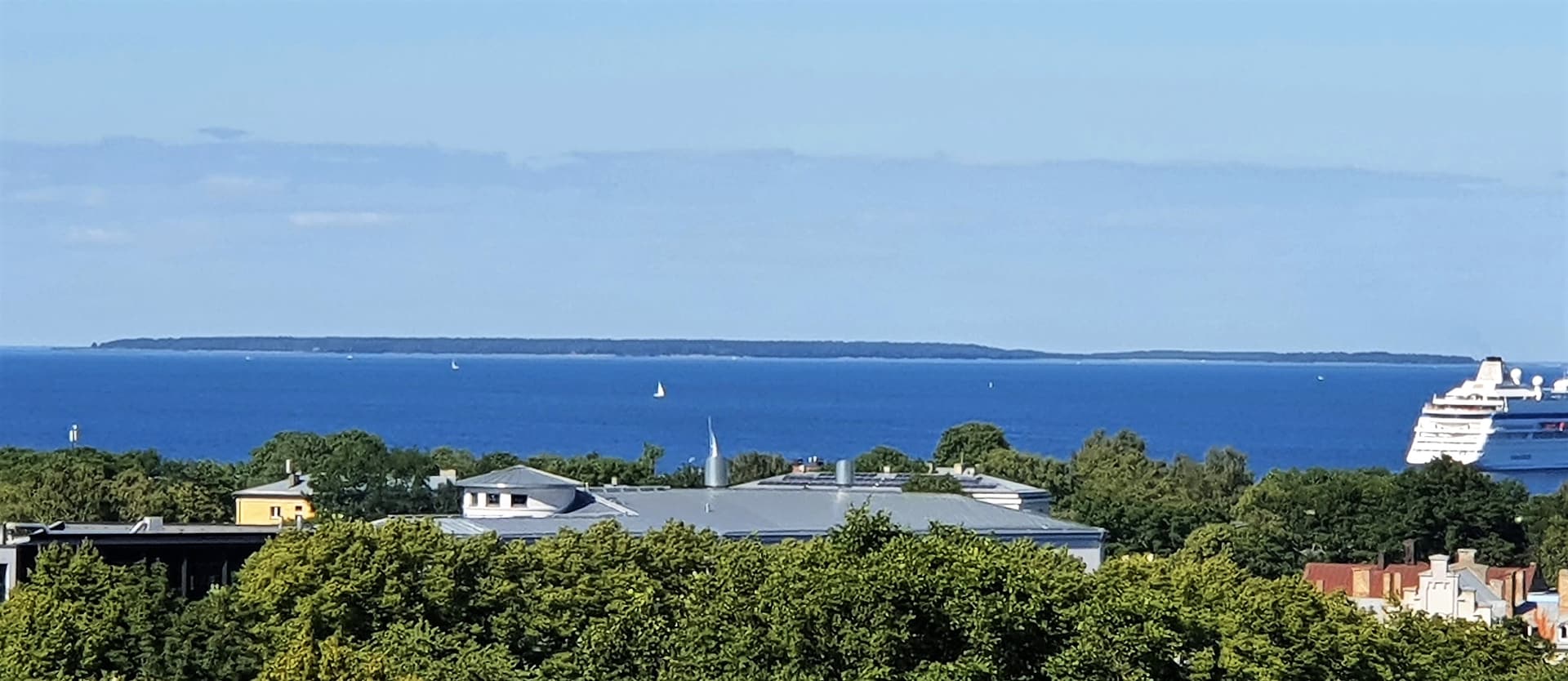
Naissaar seen across the water from Tallinn

Places to visit on Naissaar

Military ruins in the forest, a Swedish village, a lighthouse at the end of the road — and the islands and city next door.

Naissaar is about eight to nine kilometres long and four wide, and nearly everything worth seeing lies along its old military roads. The south holds the villages and the Soviet garrison; the centre, the mine depot; the north and west, the big gun batteries and the lighthouse.

We have grouped the island’s sights by theme and added the neighbours that most visitors combine with it: the small islands of Aegna and Prangli, Tallinn’s Old Town and Seaplane Harbour, and Lahemaa National Park.
Military heritage

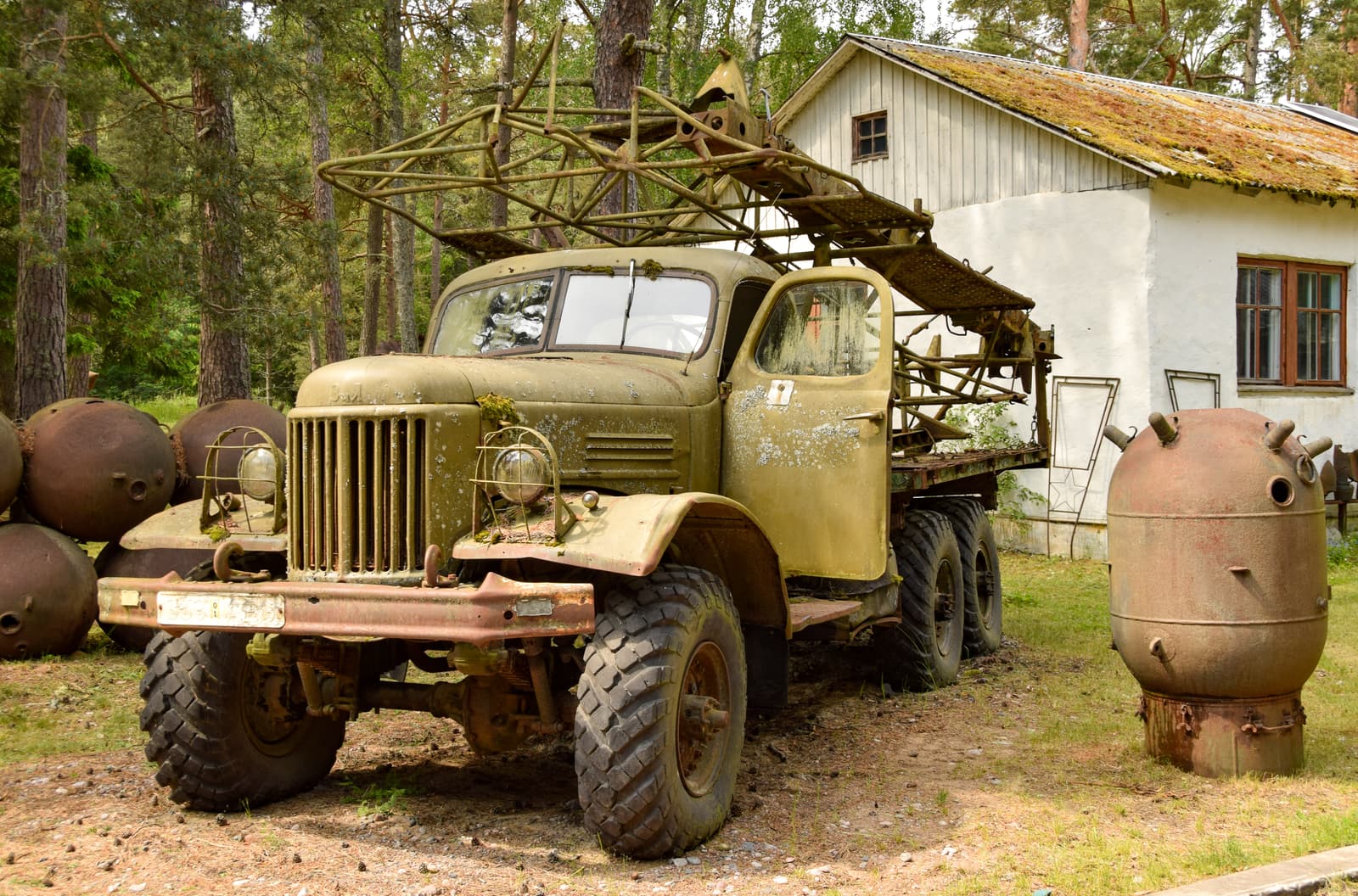
An old Soviet ZiL military truck and empty mine casings outside the museum on Naissaar Military heritage

Männiku & the Mine Factory

A Soviet naval-mine base left to the forest

For half a century Naissaar was a closed island where the Soviet navy stored and assembled sea mines. The garrison settlement of Männiku, the warehouses in the woods and the rusting mine casings that still lie around the island are the most striking thing most visitors see.

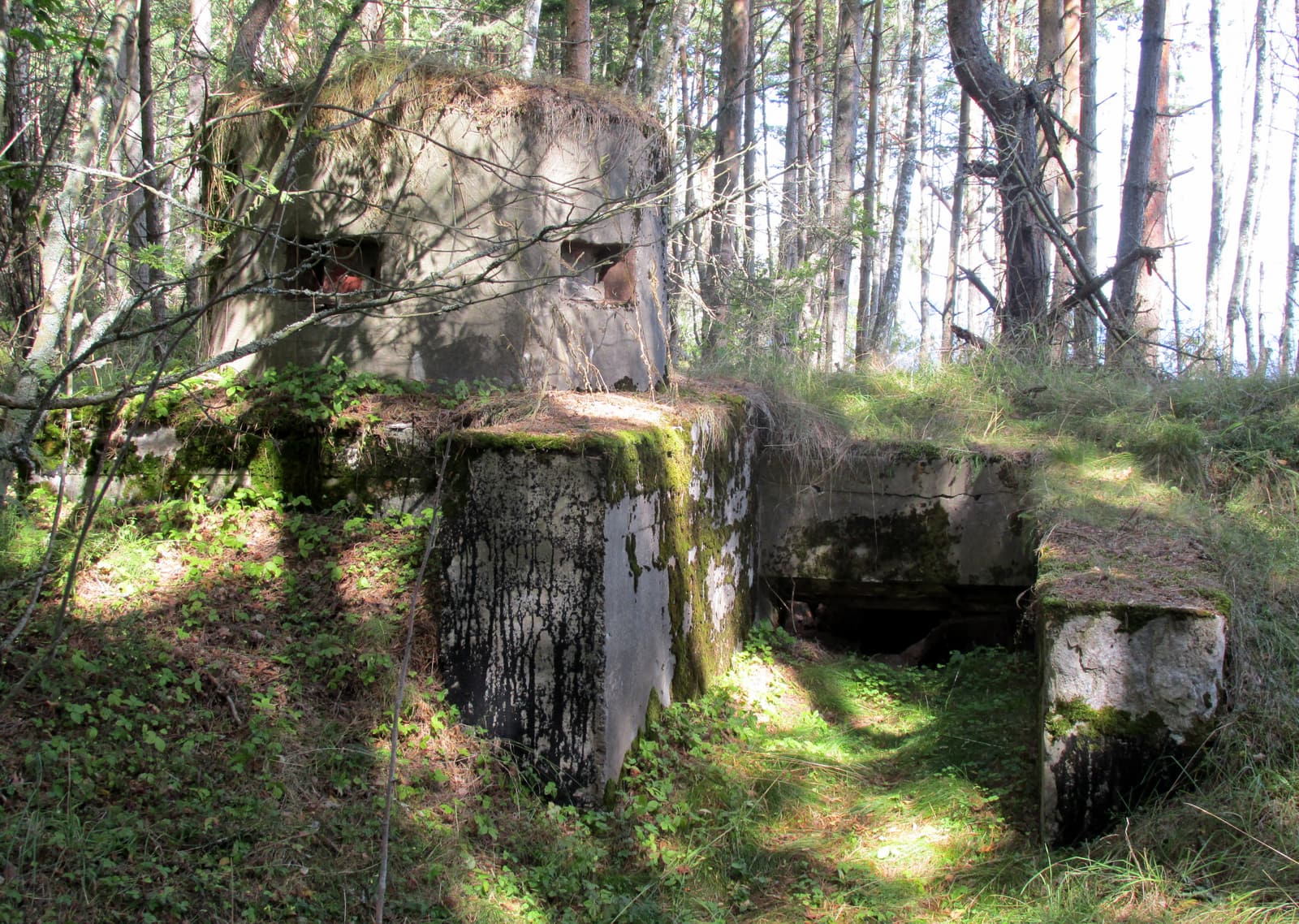
Moss-covered concrete of coastal battery no. 5 among pine trees on Naissaar Military heritage

Coastal Batteries

The guns of Peter the Great’s Naval Fortress

Before the First World War the Russian Empire turned Naissaar into a key position of the sea fortress that was to seal the Gulf of Finland. Its concrete gun batteries, blown up in 1918 and softened by a century of moss, are scattered through the island’s northern and western forests.

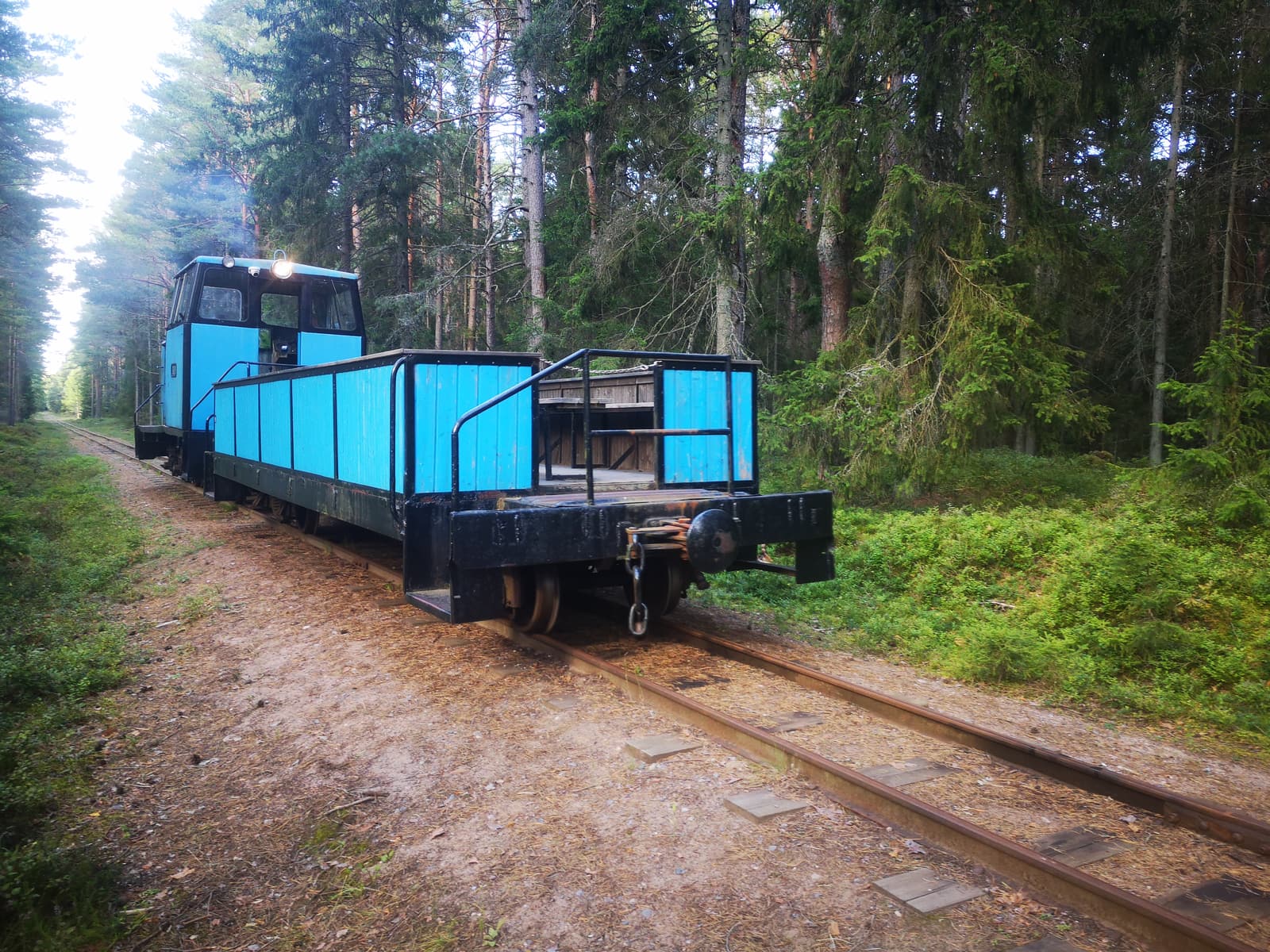
A small blue train on the narrow-gauge railway in the pine forest of Naissaar Military heritage

Naissaar Narrow-Gauge Railway

A military railway you can still ride

In the 1910s the island was laced with some 40 kilometres of narrow-gauge track to feed the fortress batteries, and the Soviet navy later used it to move mines. A short stretch between the harbour and Männiku has been restored, and in season a small train carries visitors through the pines.

Villages & culture

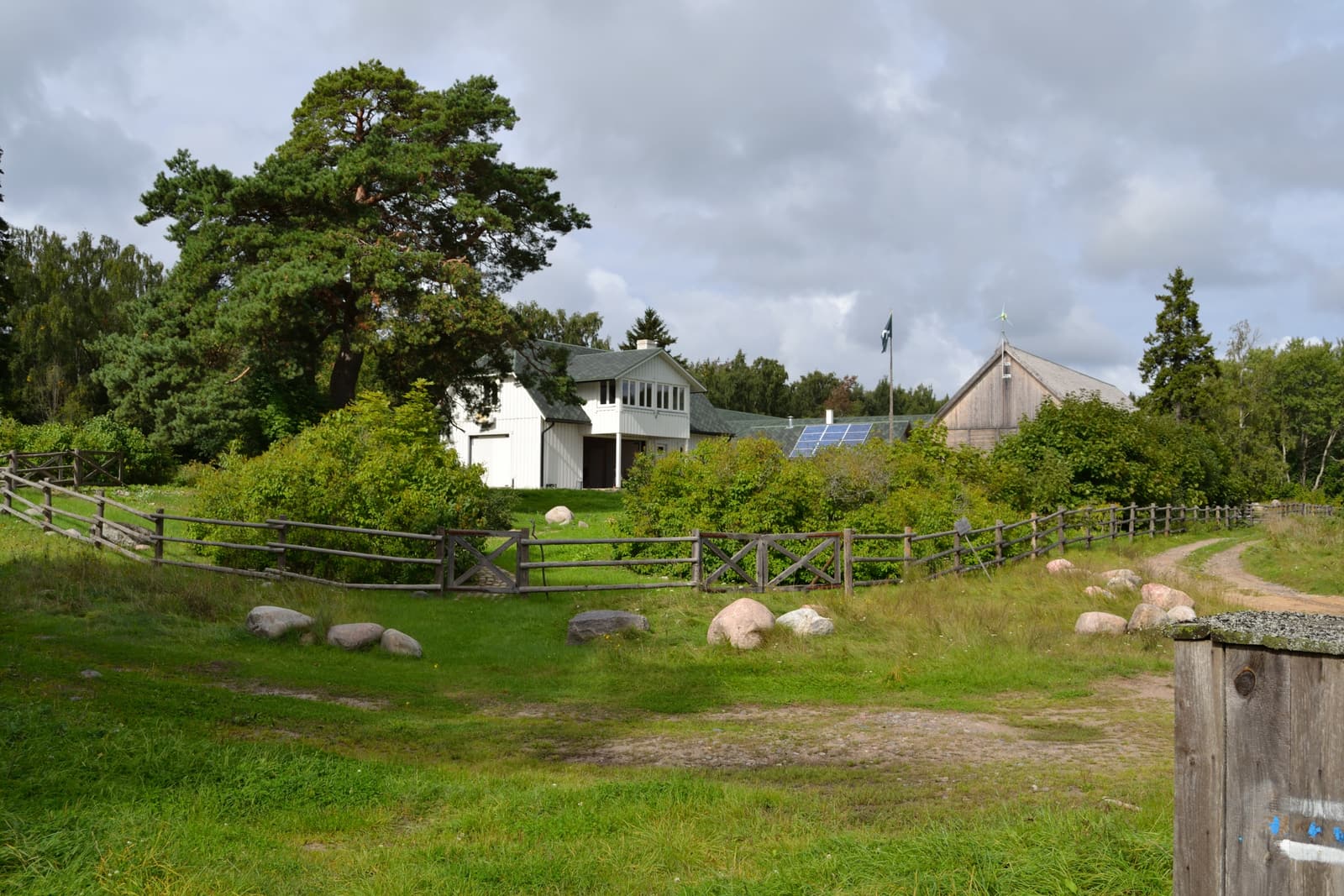
White farmhouses, stone walls and a pine tree in the village of Lõunaküla on Naissaar Villages & culture

Lõunaküla (Storbyn)

The old Swedish fishing village and its wooden church

Lõunaküla, the “south village” that its Swedish-speaking founders called Storbyn, was the heart of island life until the Second World War. Restored cottages, the wooden St Mary’s church, the cemetery and a memorial to the astronomer-optician Bernhard Schmidt tell the story of the people who lived here.

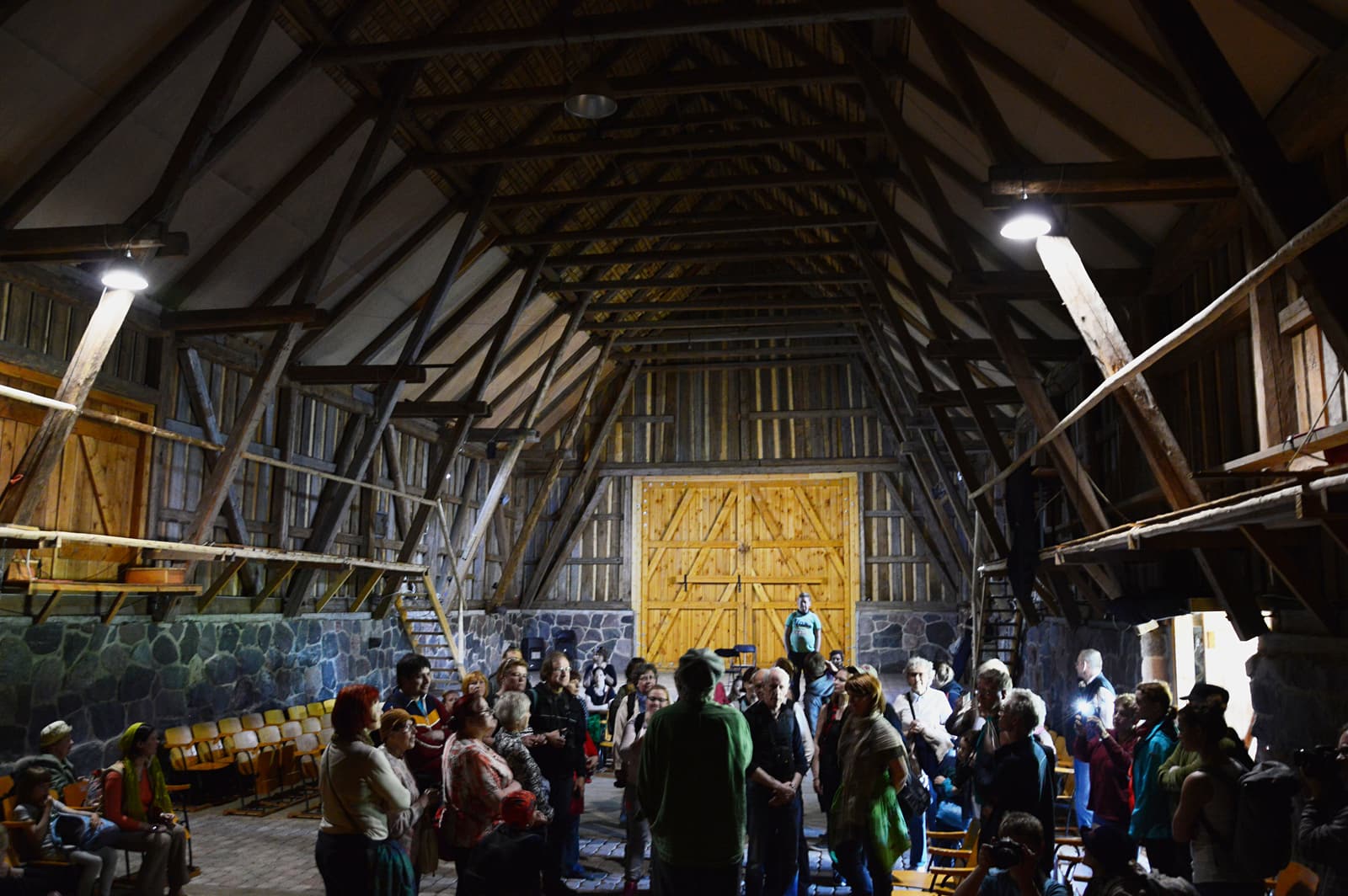
An audience gathered inside the timber-roofed Omari barn on Naissaar Villages & culture

Omari Küün & Nargenfestival

Concerts and opera in a barn on a car-free island

Since 2006 the conductor Tõnu Kaljuste has brought concerts, opera and theatre to Omari Küün, a big wooden barn on Naissaar, as part of the Nargenfestival. A summer performance — boat out, music in the barn, late boat home — is one of Estonia’s most distinctive evenings.

Nature & beaches

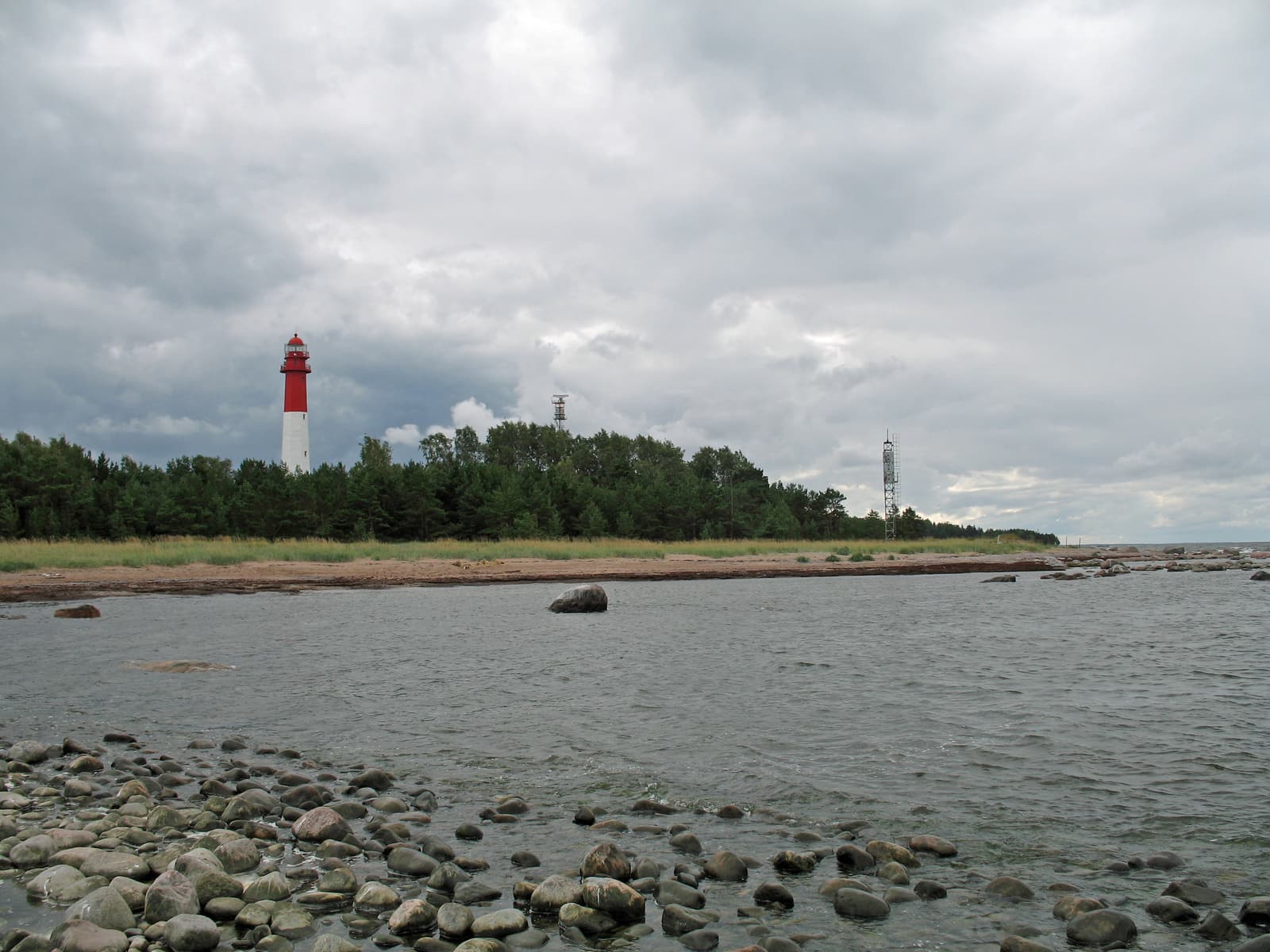
The red-and-white Naissaar lighthouse rising above the forest on the island’s stony north coast Nature & beaches

Naissaar Lighthouse

A red-and-white tower on the island’s northern tip

A lighthouse has marked the northern point of Naissaar since 1788. The present concrete tower, 45 metres tall and finished in 1960, stands above a shore of rounded stones at the far end of the island — the natural goal of a long walk or bike ride.

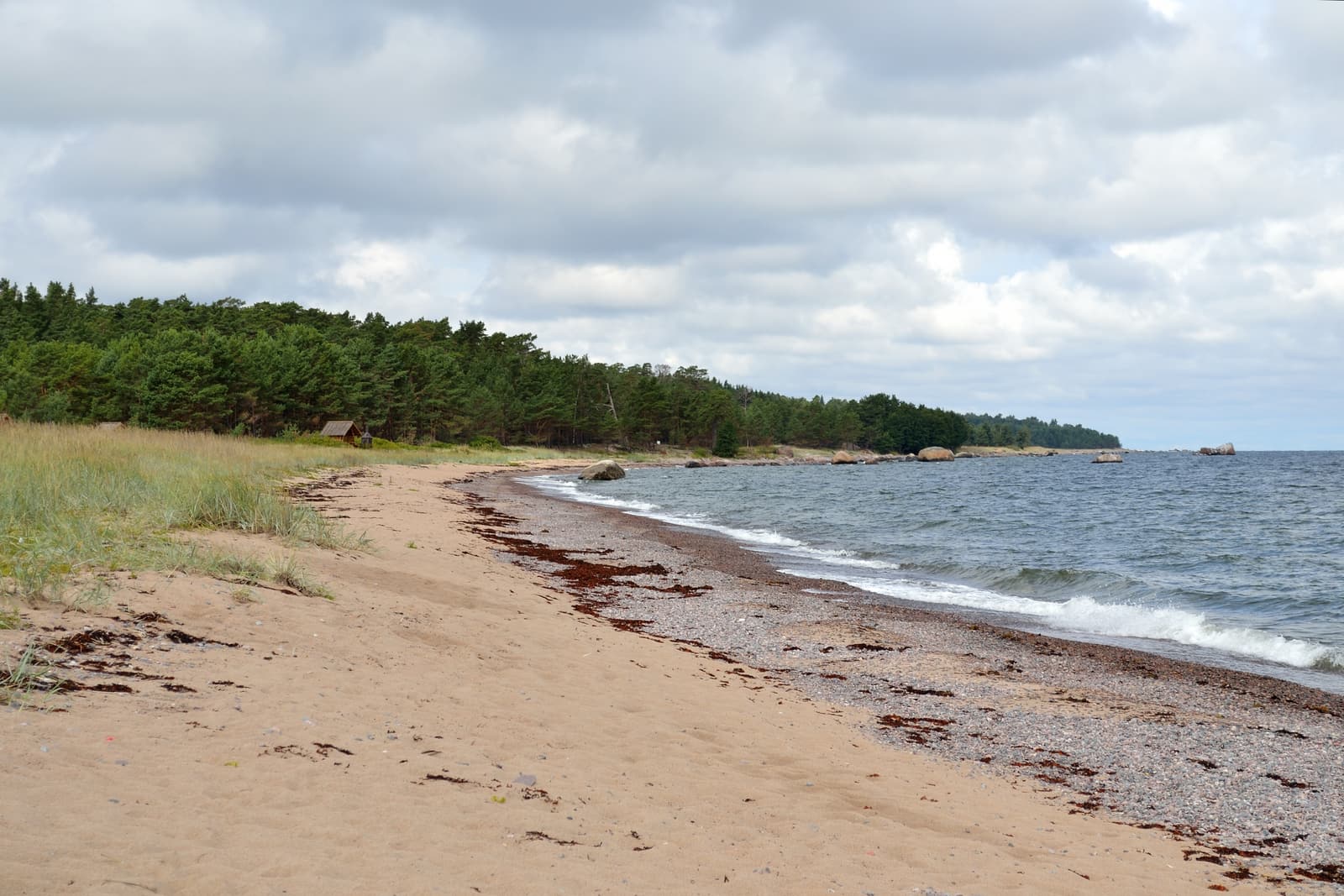
A sandy beach curving along the pine-forested coast of Naissaar Nature & beaches

Beaches & Dunes

Empty sand an hour from the capital

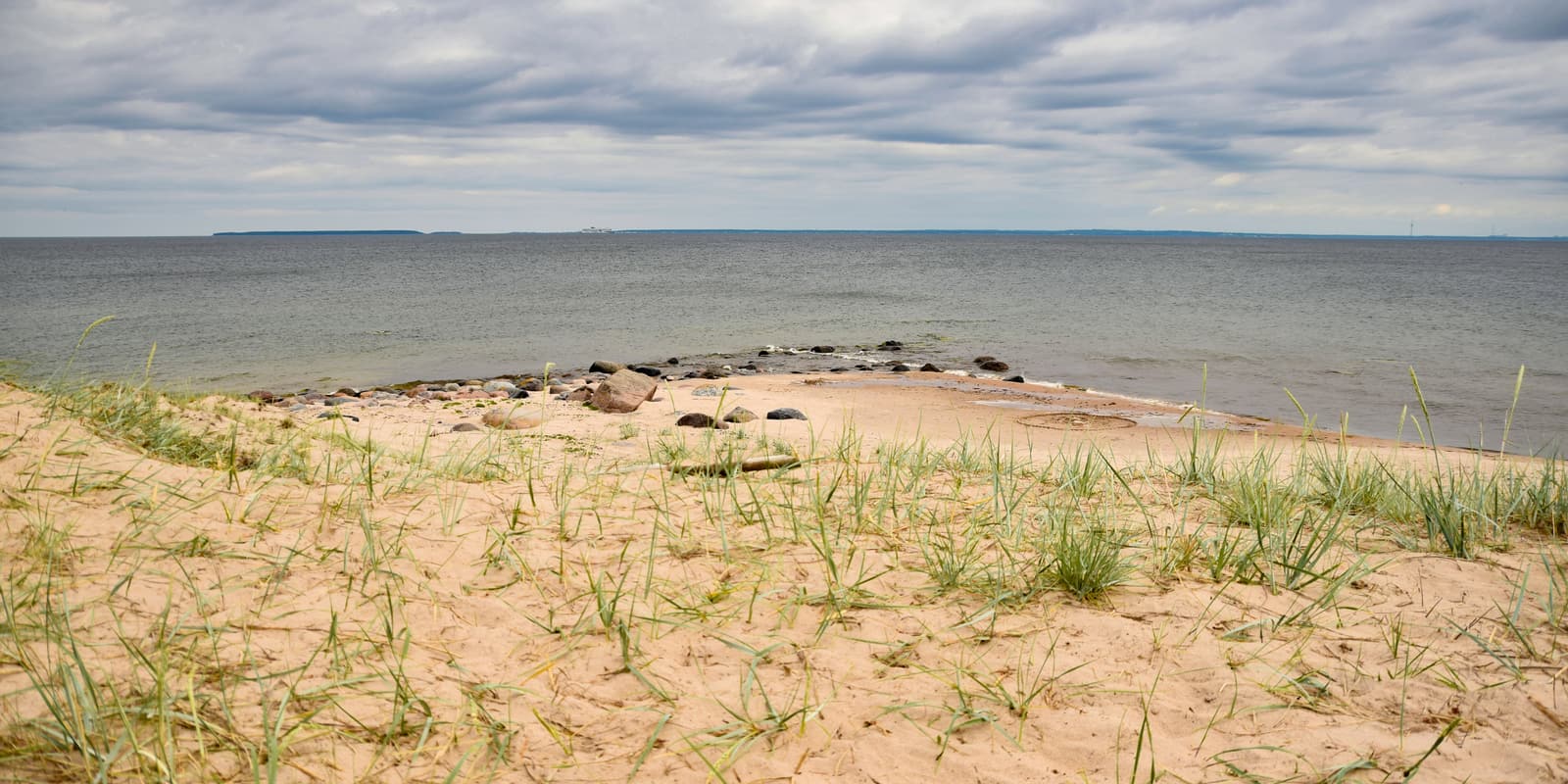
Naissaar’s east and south coasts are edged with pale sand backed by pine forest, while the west and north are a wilder mix of dunes, shingle and boulders. On a fine weekday you can have a kilometre of beach to yourself — with Tallinn’s skyline floating on the horizon.

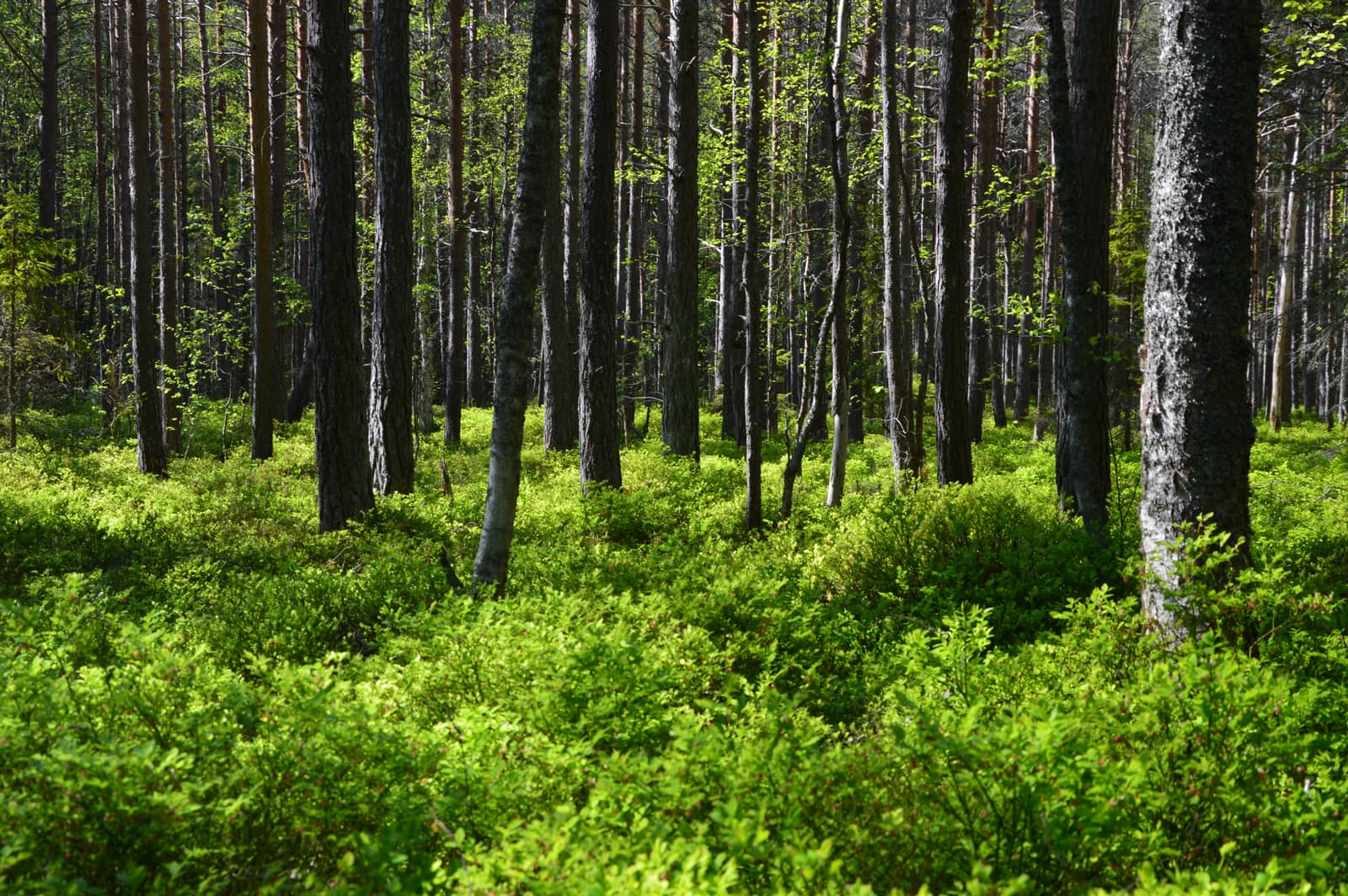
Sunlit pine forest with a green carpet of bilberry on Naissaar Nature & beaches

Nature Park Trails

Three marked routes through pine forest, bog and coast

The whole island has been a nature park since 1995. Three signposted trails — southern, central and northern — start from the harbour and lead past giant boulders, bogs, bilberry-carpeted pinewoods, village sites and military ruins. Walk them, or bring a bike for the forest roads.

Nearby & combos

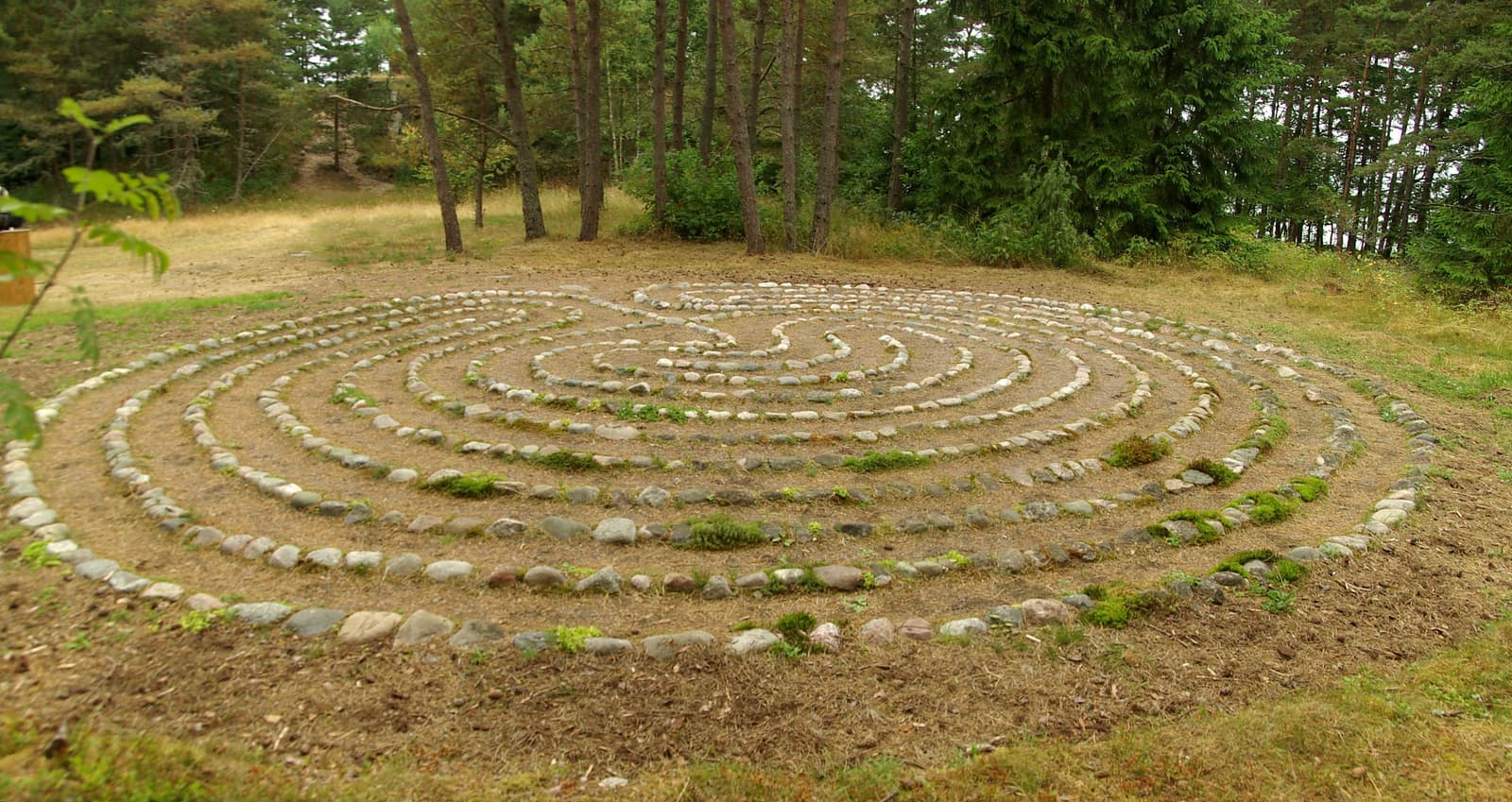
A stone labyrinth laid out on the grass on Aegna island Nearby & combos

Aegna Island

Naissaar’s small neighbour, part of the city of Tallinn

Aegna sits at the eastern side of Tallinn Bay, facing Naissaar across the water. Small enough to walk around in a few hours, it has sandy beaches, forest paths, boulders, a stone labyrinth and its own fortress remains — and it is usually the easiest of the bay’s islands to reach.

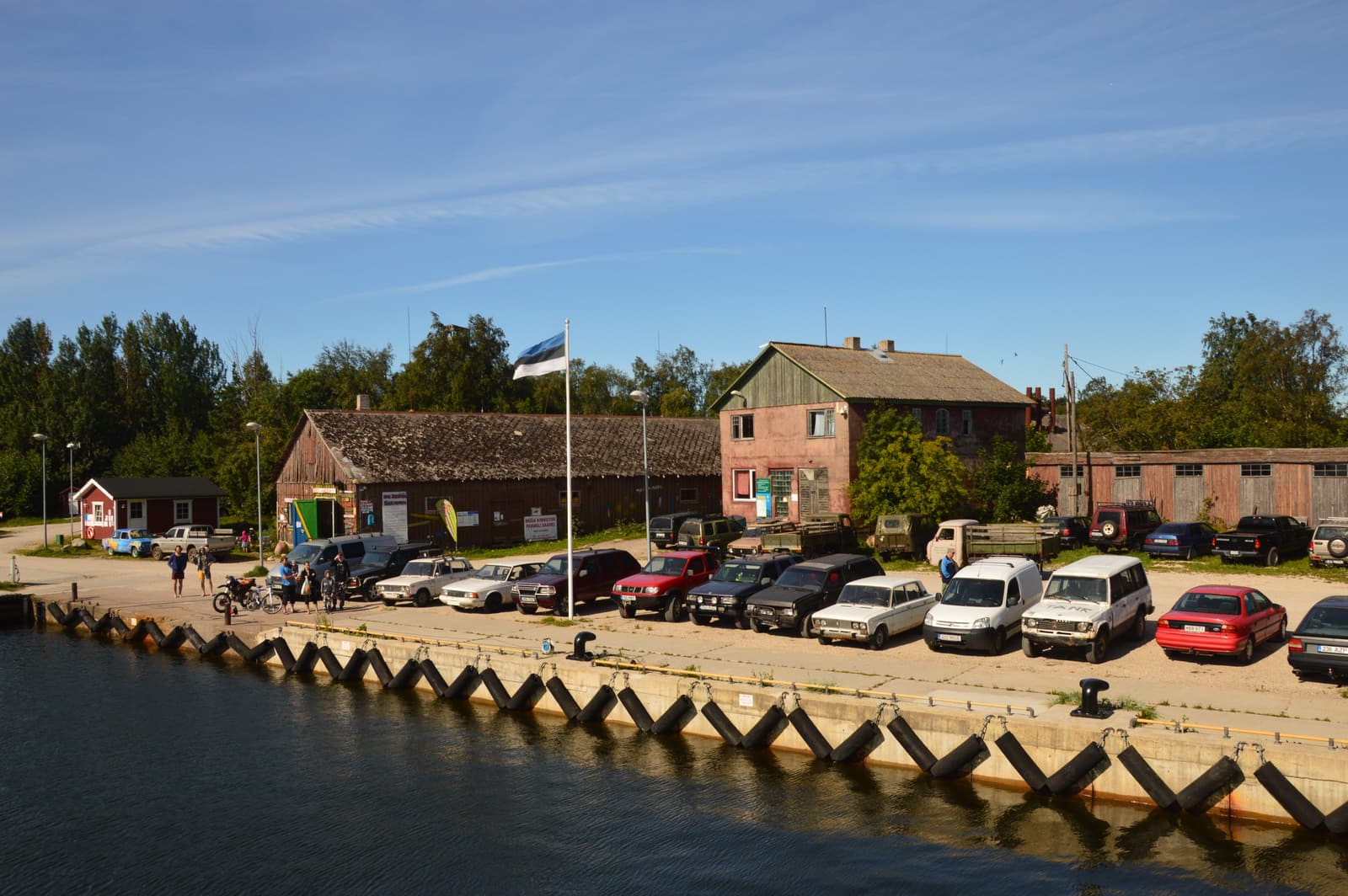
Kelnase harbour on Prangli island with red harbour buildings and the Estonian flag Nearby & combos

Prangli Island

A living fishing island north-east of Tallinn

Unlike Naissaar, Prangli never lost its people: families have lived here for centuries, and the island still has a school, a shop, a wooden church and working harbours. It is the best choice if you want an island day with a guide, a truck ride and lunch arranged for you.

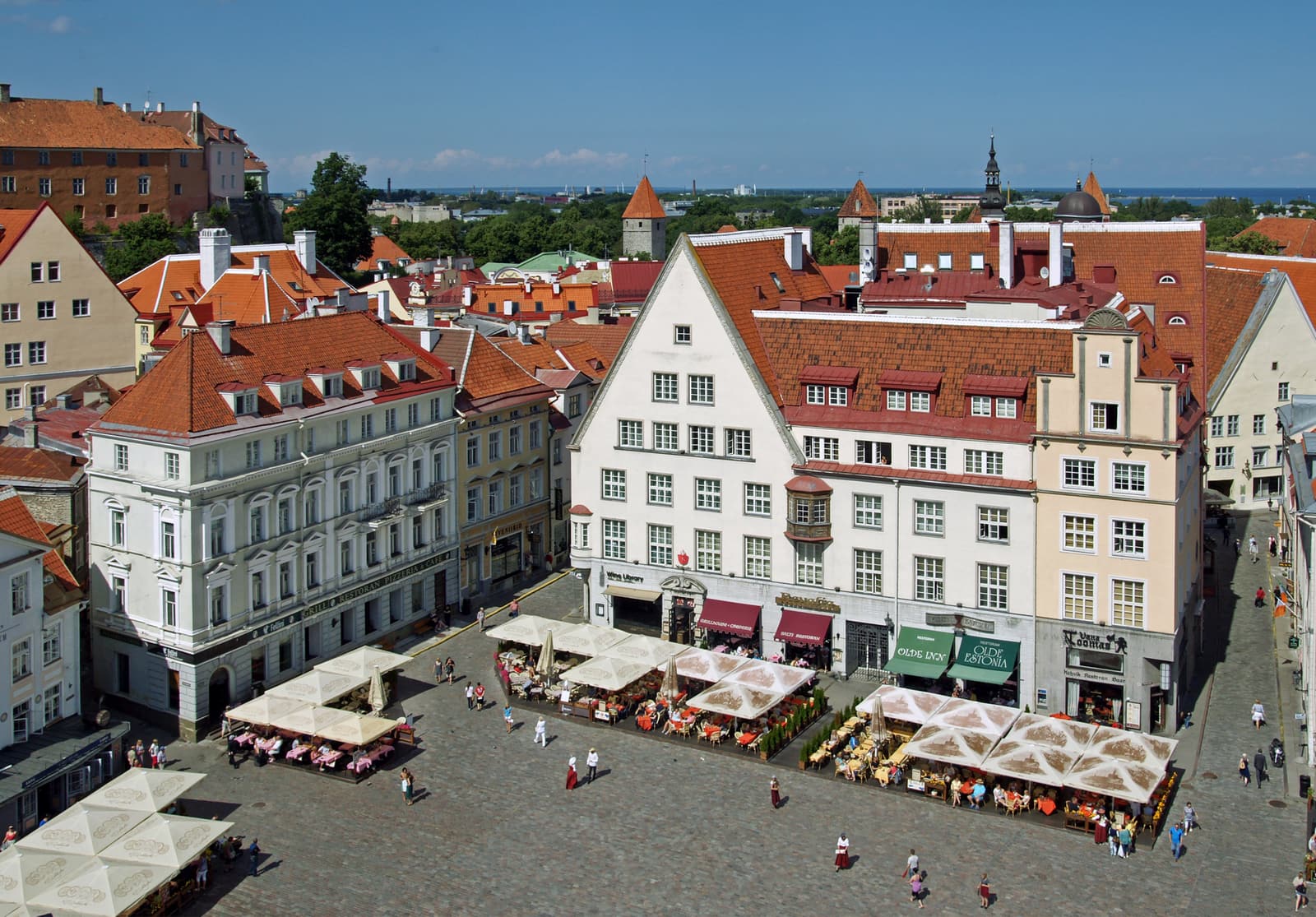
Tallinn’s Town Hall Square and red-tiled roofs seen from above Nearby & combos

Tallinn Old Town

The medieval city across the bay

Naissaar’s whole history is tied to Tallinn, the Hanseatic port it shelters from the open sea. The walled Old Town — a UNESCO World Heritage Site — is where most island days begin and end: towers, merchant houses, Town Hall Square and the views from Toompea hill.

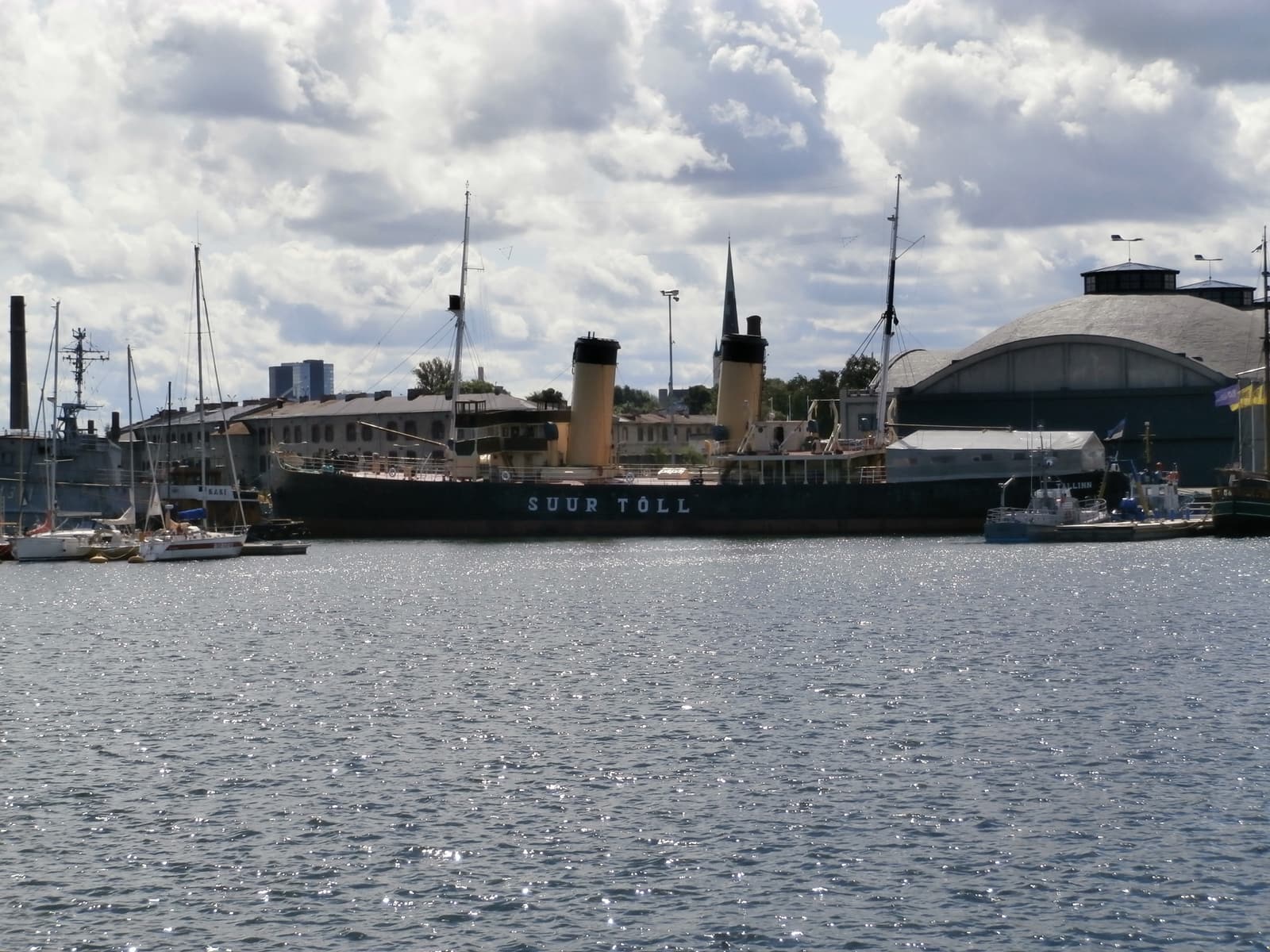
The steam icebreaker Suur Tõll moored at the Seaplane Harbour in Tallinn Nearby & combos

Seaplane Harbour

Tallinn’s maritime museum in a fortress hangar

The vast concrete seaplane hangars on Tallinn’s seafront were built for the same naval fortress as Naissaar’s batteries. Today they hold the Estonian Maritime Museum’s star exhibits, including the 1930s submarine Lembit and, at the quay outside, the icebreaker Suur Tõll.

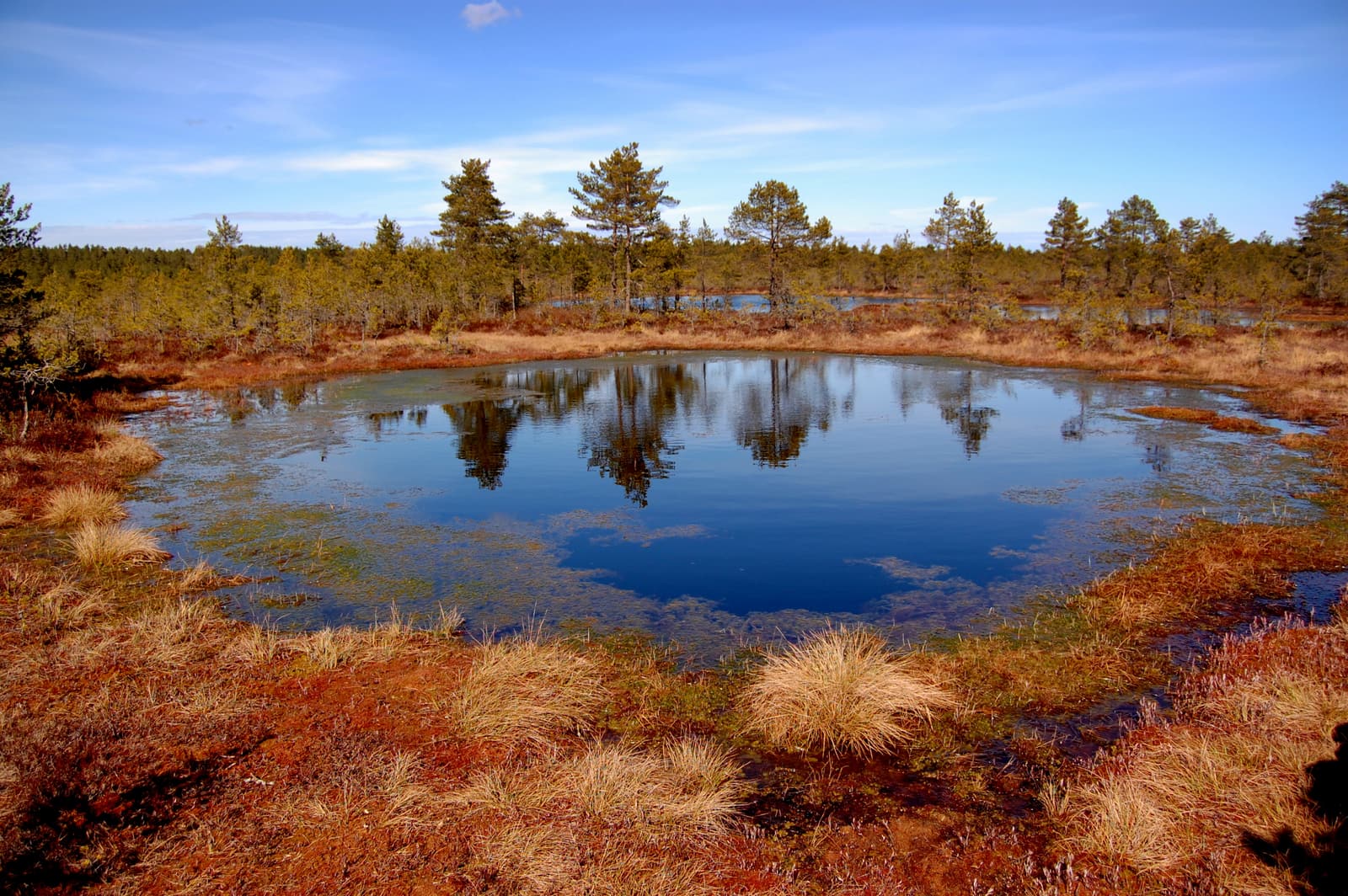
A bog pool reflecting pine trees and sky in Viru bog, Lahemaa National Park Nearby & combos

Lahemaa National Park

Bogs, boulders and manor houses on the north coast

An hour east of Tallinn, Lahemaa is Estonia’s oldest national park: boardwalks across Viru bog, fishing villages on boulder-strewn peninsulas and restored manor estates. It is the classic mainland nature day and a natural partner to an island trip.

How much can you see in a day?

On foot, choose one end of the island: the south (Männiku, Lõunaküla, church, beaches) is the classic first visit. With a bicycle you can add the central batteries or ride all the way to the lighthouse. To see everything without rushing, stay a night — see where to stay — and read the travel guide for sample itineraries.

Plan your island day

Batteries, a mine factory and empty beaches — an hour from Tallinn

Naissaar has no shops and the boat runs only in season. Pair your island day with guided trips from Tallinn — a Prangli island tour, a sunset sail or a Soviet-history walk — and book the rest of your stay in one place.