Naissaar rewards a little preparation. It is close to a capital city, but once the boat leaves you are on an island with no shops, no cash machines and long distances between sights. Get the basics right and it is one of the most memorable days out in the Baltic.
Naissaar at a glance
- What it is: an island of 18.9 km² in the Gulf of Finland, the whole of it a nature park since 1995.
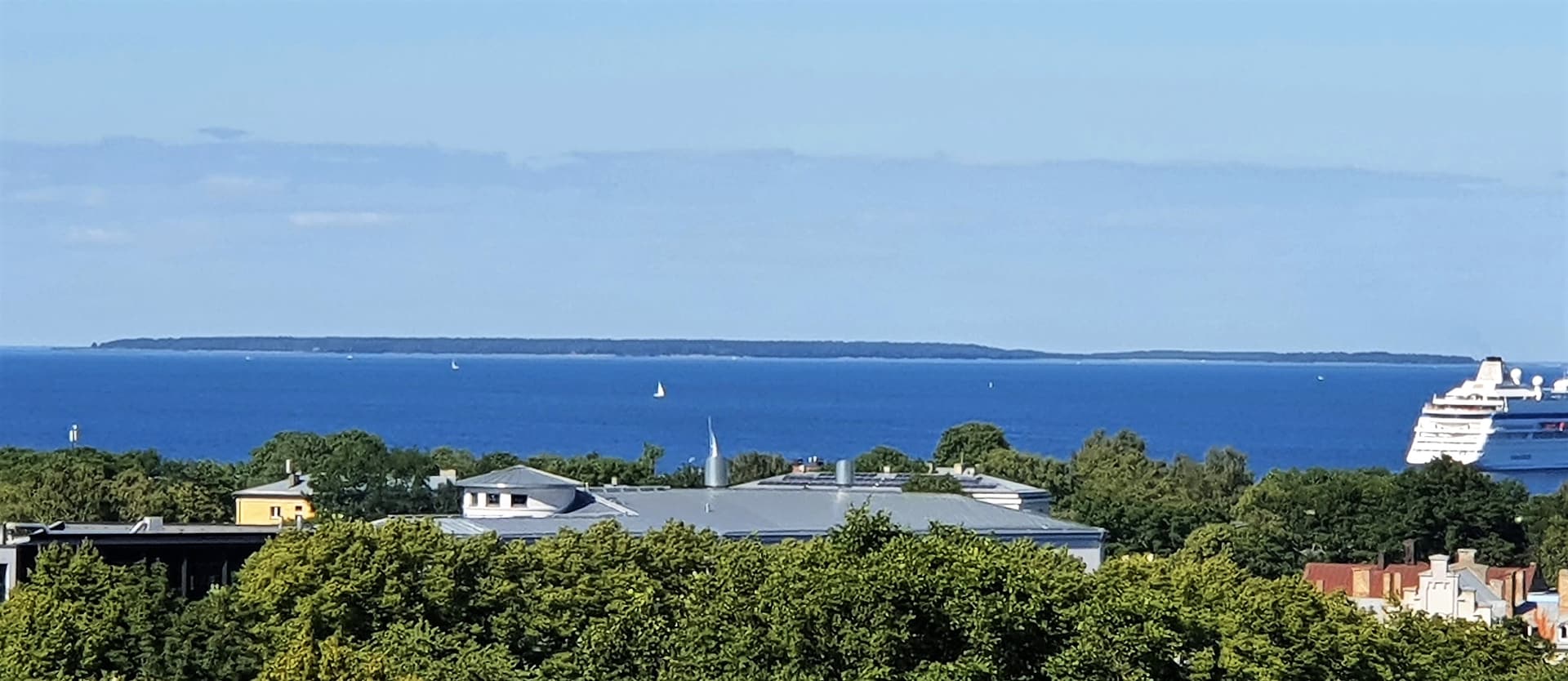
- Where: about 8.5 km off the mainland, north-west of Tallinn; part of Viimsi parish.
- Size: 8–9 km long, about 4 km wide; highest point Kunilamägi, 27 m.
- People: ten permanent residents at the 2021 census, in three villages — Lõunaküla (Storbyn), Tagaküla (Bakbyn) and Väikeheinamaa (Lillängin).
- Also called: Nargö in Swedish, Nargen in German.
- Access: seasonal passenger boat from Tallinn, about an hour.
The main sights
The essentials are the Soviet garrison village and mine depot at Männiku, the tsarist coastal batteries, the restored narrow-gauge railway, the Swedish village of Lõunaküla with its wooden church, the lighthouse at the northern tip and the beaches. They are described one by one below.
 Military heritage
 Männiku & the Mine Factory
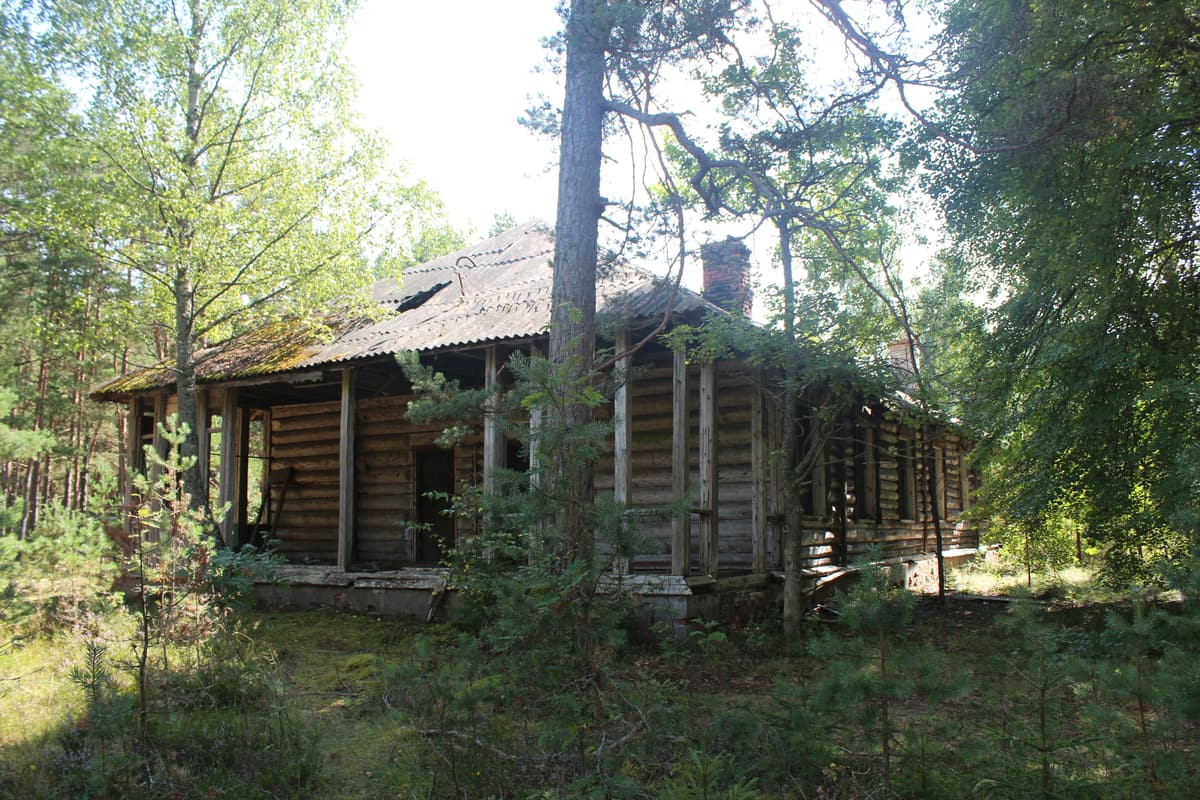
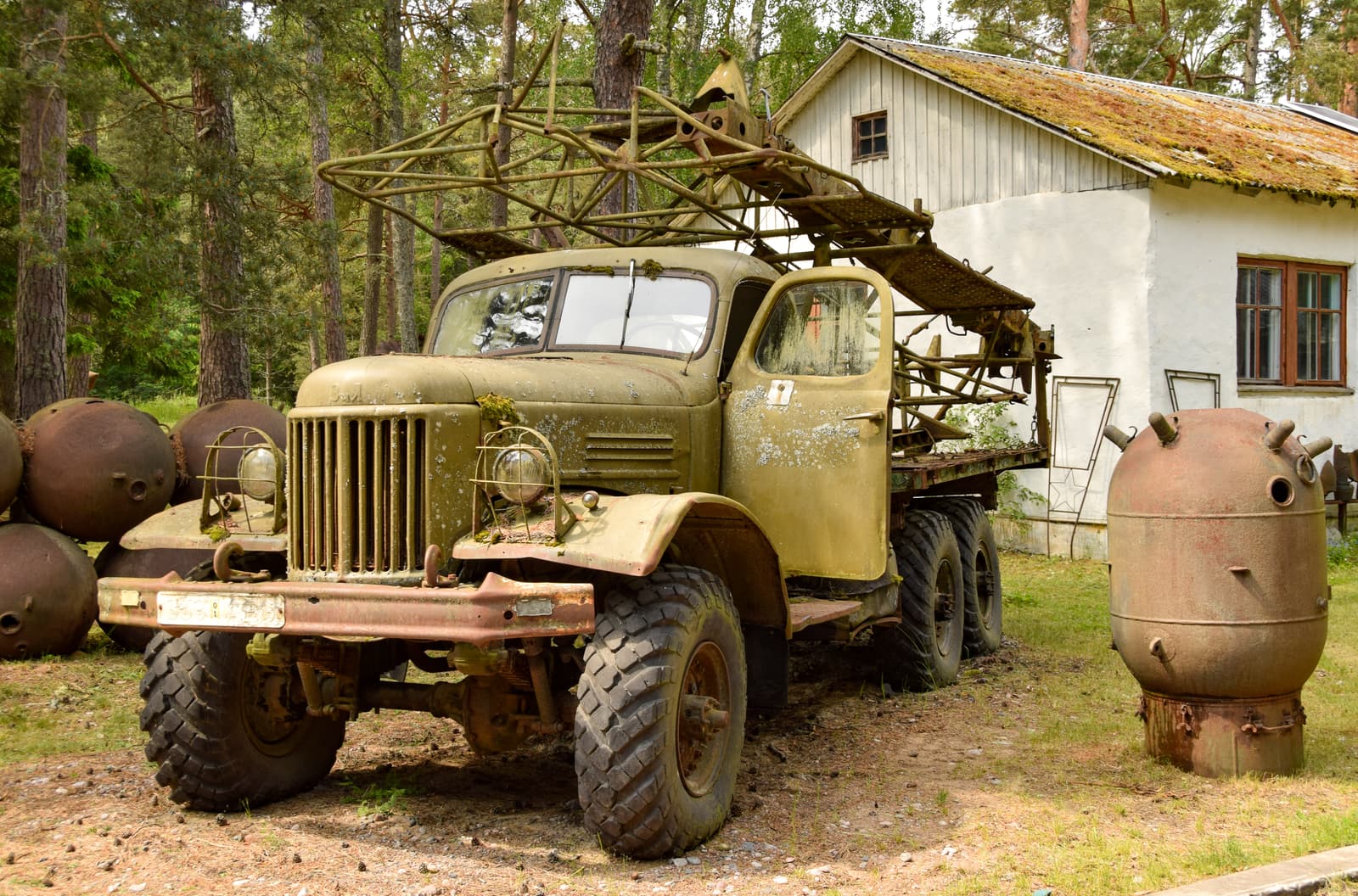
A Soviet naval-mine base left to the forest
For half a century Naissaar was a closed island where the Soviet navy stored and assembled sea mines. The garrison settlement of Männiku, the warehouses in the woods and the rusting mine casings that still lie around the island are the most striking thing most visitors see.
 Military heritage
 Coastal Batteries
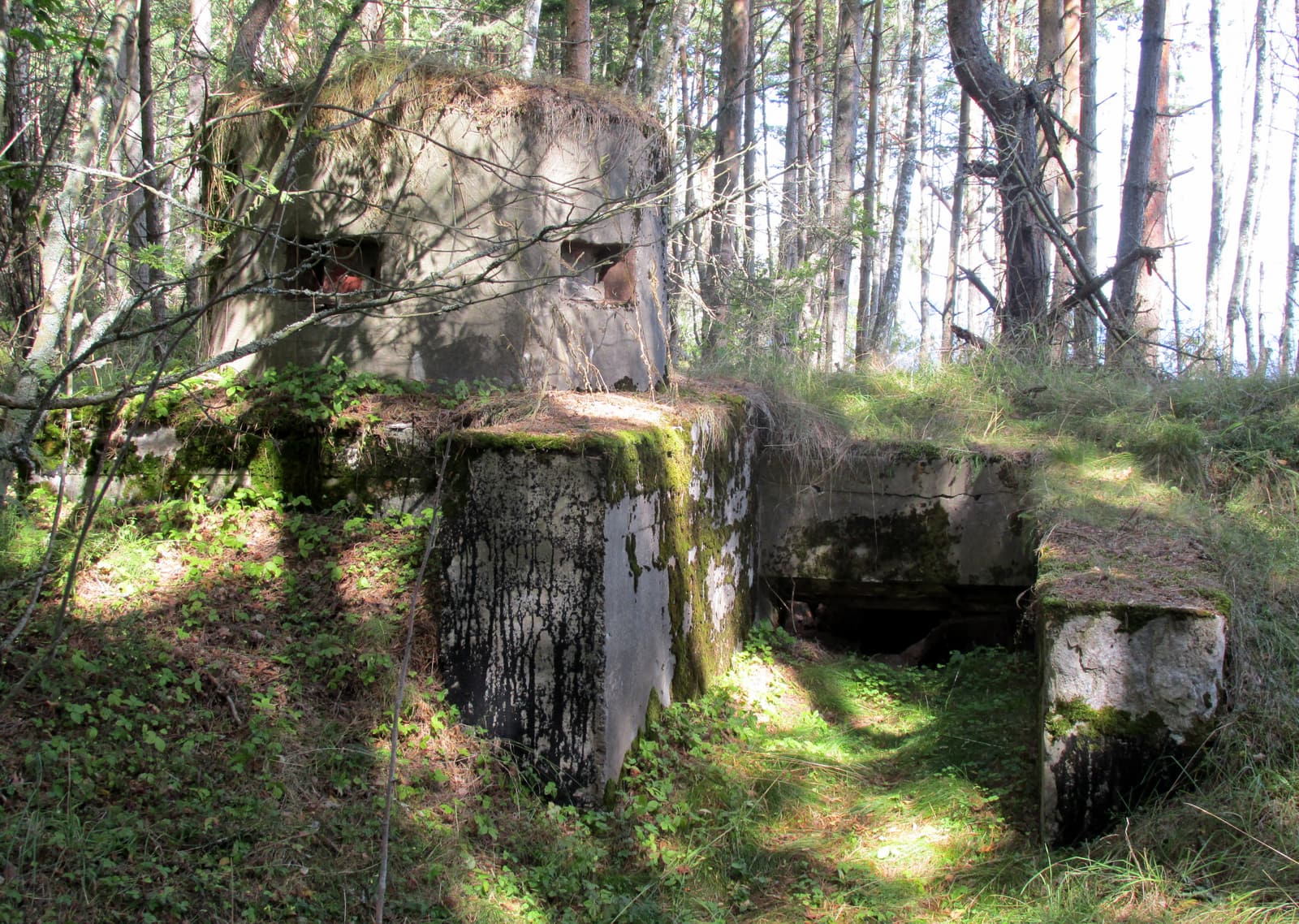
The guns of Peter the Great’s Naval Fortress
Before the First World War the Russian Empire turned Naissaar into a key position of the sea fortress that was to seal the Gulf of Finland. Its concrete gun batteries, blown up in 1918 and softened by a century of moss, are scattered through the island’s northern and western forests.
 Nature & beaches
 Naissaar Lighthouse
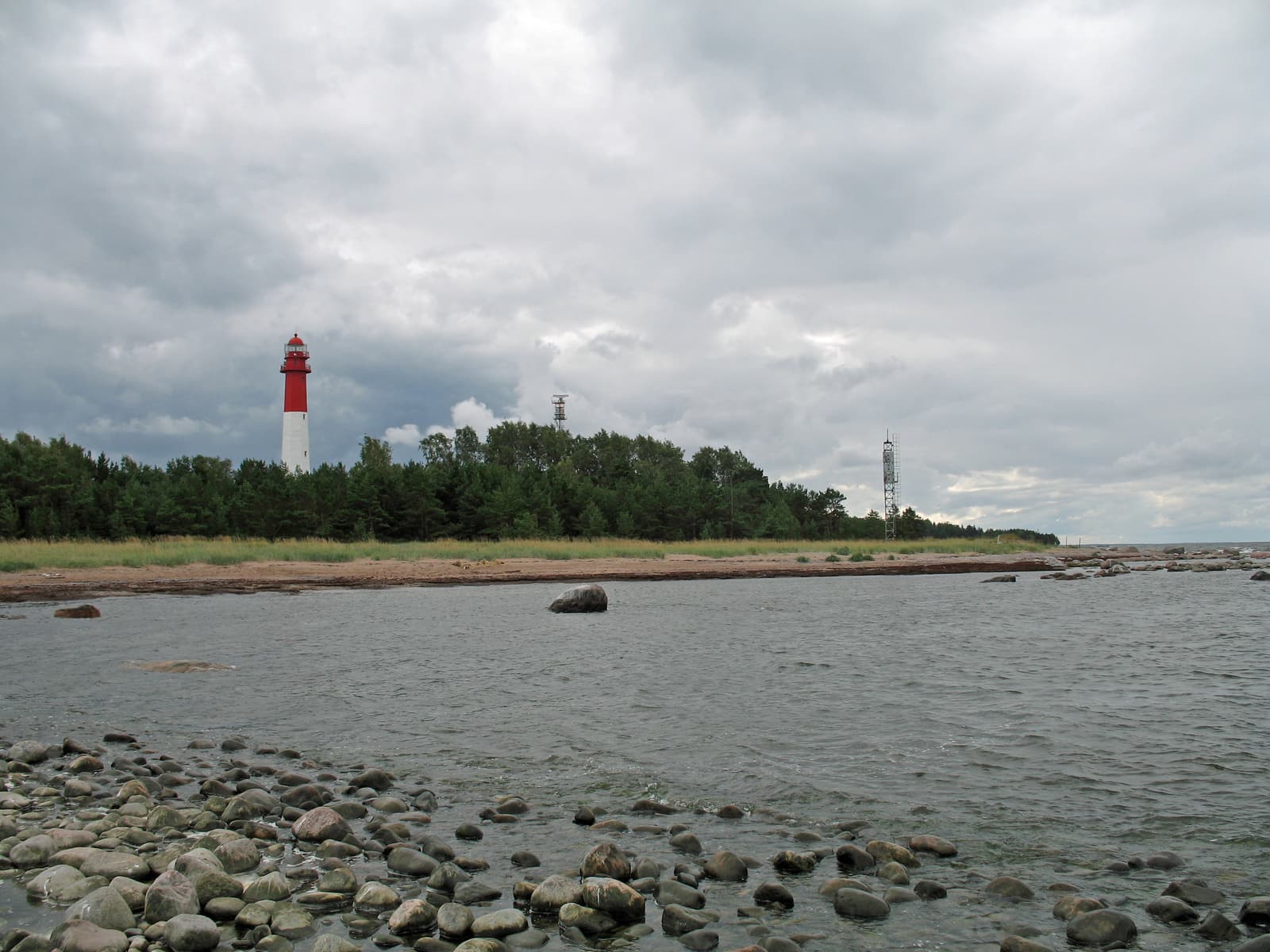
A red-and-white tower on the island’s northern tip
A lighthouse has marked the northern point of Naissaar since 1788. The present concrete tower, 45 metres tall and finished in 1960, stands above a shore of rounded stones at the far end of the island — the natural goal of a long walk or bike ride.
 Villages & culture
 Lõunaküla (Storbyn)
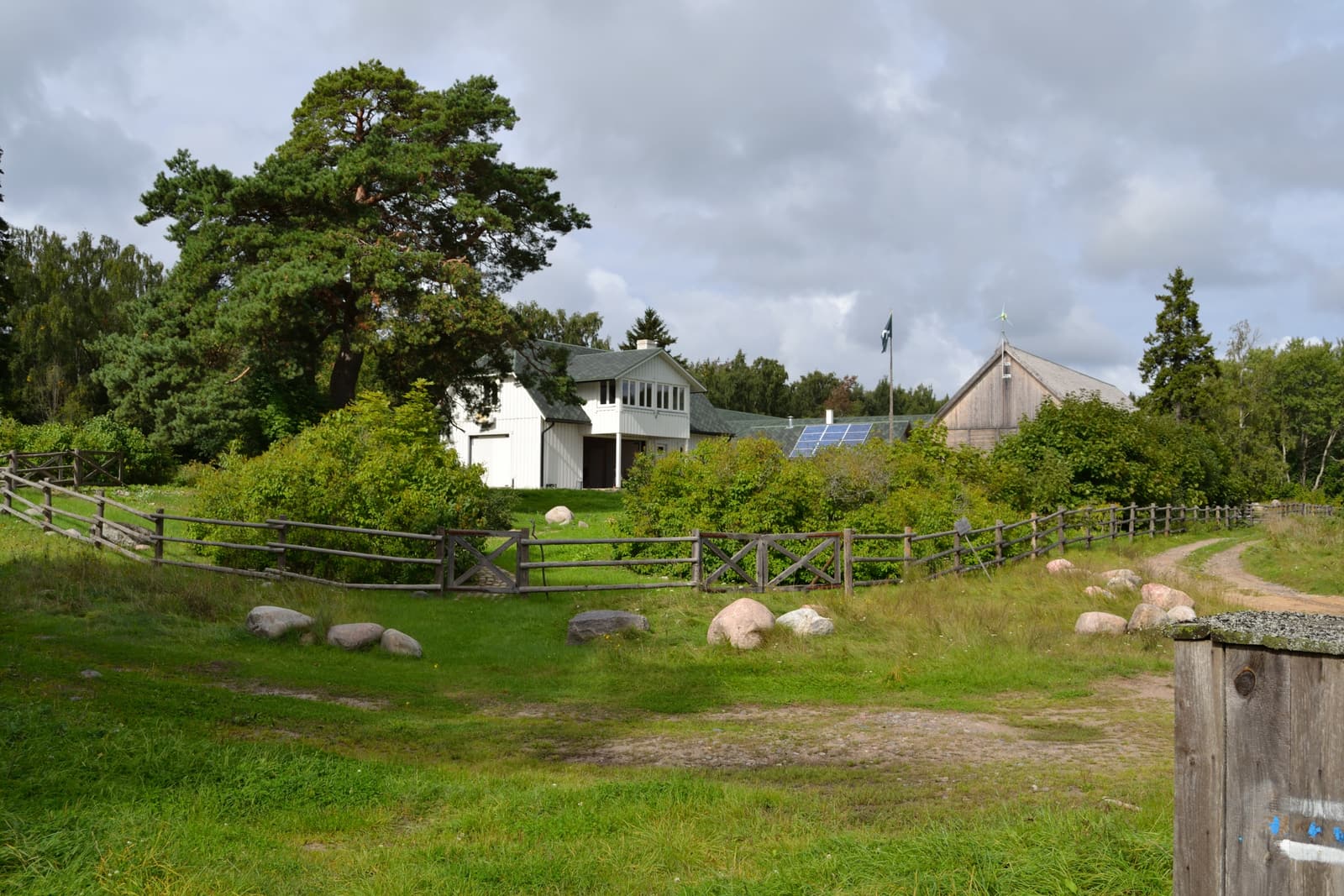
The old Swedish fishing village and its wooden church
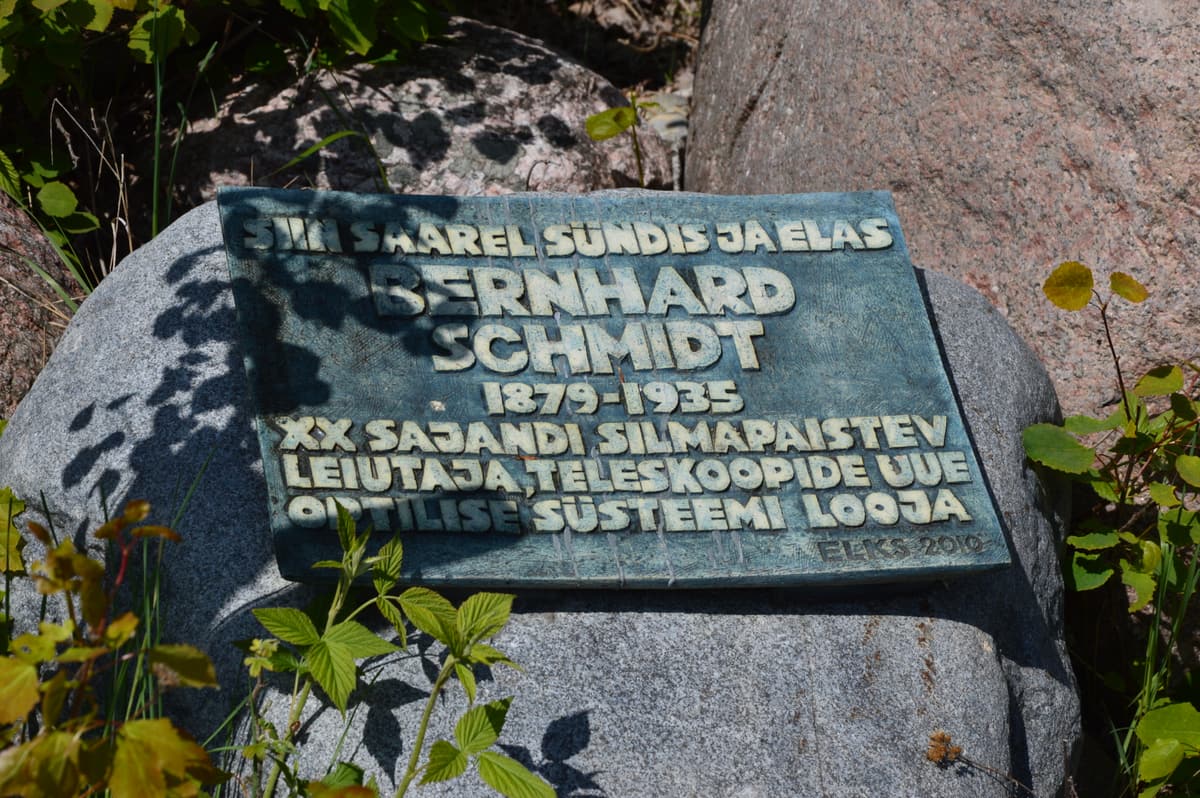
Lõunaküla, the “south village” that its Swedish-speaking founders called Storbyn, was the heart of island life until the Second World War. Restored cottages, the wooden St Mary’s church, the cemetery and a memorial to the astronomer-optician Bernhard Schmidt tell the story of the people who lived here.
Suggested itineraries
A day trip on foot (6–8 hours on the island)
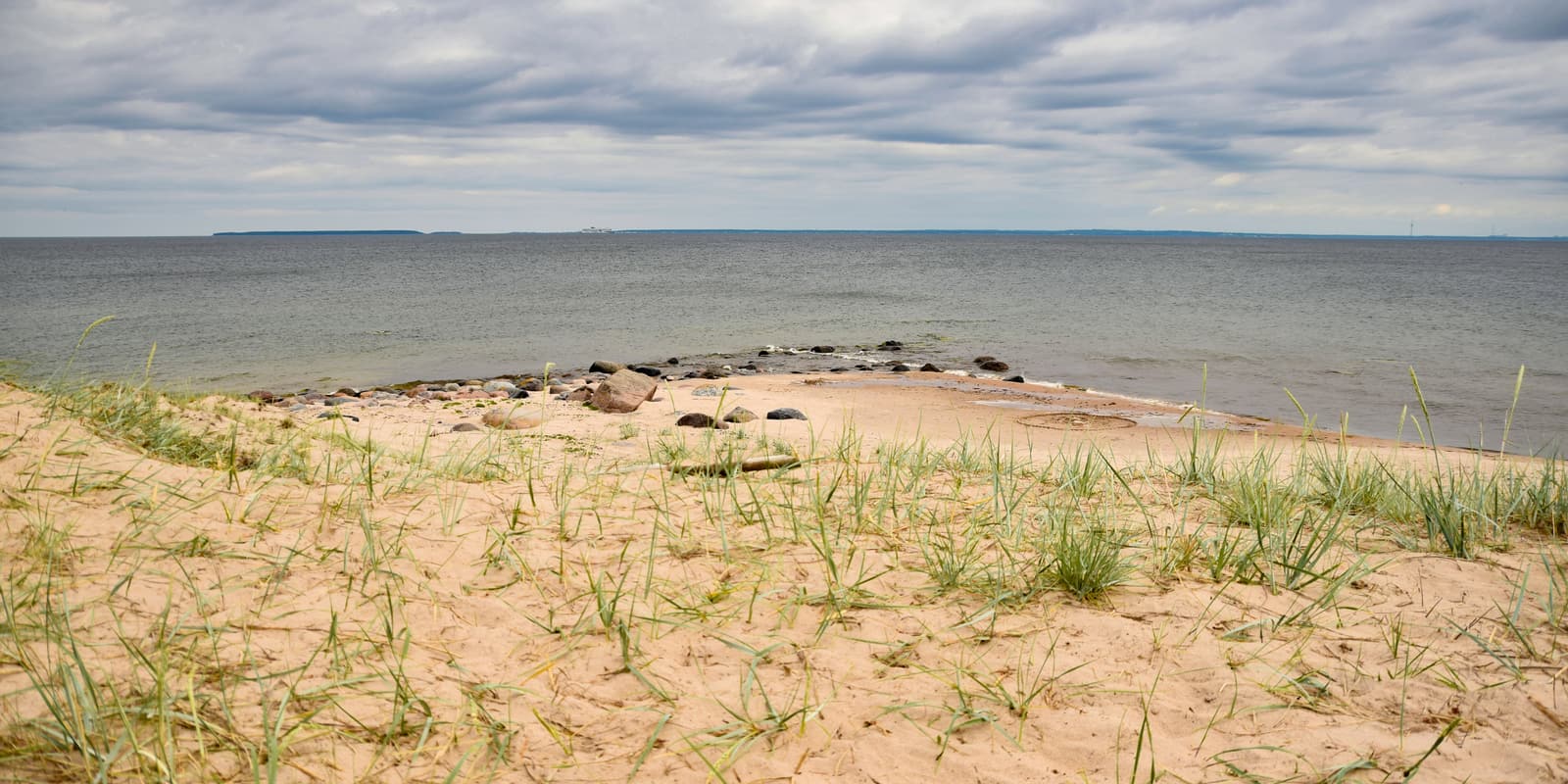
From the harbour, take the train or walk the 3.5 km to Männiku and look around the garrison village and the museum if it is open. Continue a kilometre west to Lõunaküla for the church, the cemetery and the Schmidt memorial, then picnic and swim on the south coast. Return along the shore or the forest road in good time for the boat. This is essentially the southern trail.
A day trip by bike
Ride north first, while you are fresh: forest road to the big batteries and the lighthouse, about an hour each way with stops. Come back through the centre past the mine warehouses, and if time allows drop south to Männiku and a beach before the boat.
Overnight (two days)
Day one: the southern trail, a swim, and an evening when the day-trippers have gone and the island falls silent. Day two: the northern trail to the lighthouse and batteries, and the afternoon boat home. This is the relaxed way to see everything.
Three days with Tallinn
Day one: Tallinn Old Town and the Seaplane Harbour. Day two: Naissaar. Day three: a spare day for weather, or for Prangli, Lahemaa or Helsinki by ferry.
Food and water
There are no shops on Naissaar. In the summer season a simple café or bar usually operates near the harbour or in Männiku, and some truck tours include a snack, but opening is informal. Bring a proper picnic and at least a litre and a half of water per person — more on a hot day or a long ride. Buy supplies in Tallinn the evening before.
Money
Estonia uses the euro. There are no cash machines on the island, and although cards are widely accepted in Estonia, small island businesses may not take them. Carry cash for the train, a truck tour, the lighthouse and a drink.
Safety
- Unexploded ordnance. The island was fortified and bombarded in two world wars and used by the Soviet navy until the 1990s. It has been cleared repeatedly, but old ammunition is still occasionally found. Stay on roads, marked trails and beaches; never pick up, kick or dig out metal objects; if you find something suspicious, note the place and call 112.
- Ruins. Batteries, warehouses and barracks are unmaintained. Do not enter buildings or underground rooms.
- Ticks. Estonian ticks can carry Lyme disease and tick-borne encephalitis. Wear long trousers and repellent, and check your skin in the evening. If you spend a lot of time outdoors in the region, ask your doctor about the encephalitis vaccine.
- Snakes. Adders live in Estonian forests and are shy; watch where you put hands and feet around stones and logs.
- Fire. Light fires only at official campfire sites and never during a fire ban.
- The sea. There are no lifeguards. The water is cold for much of the year.
- Emergencies. The emergency number is 112. Help has to come by sea or air, so be conservative.
What to pack
- Water and food for the whole day.
- Sturdy closed shoes; long trousers for the forest.
- Windproof and rain layer — the crossing is cooler than the city.
- Insect repellent, sun cream and a hat.
- Cash in euros.
- Swimwear and a towel in summer.
- A charged phone with offline maps, and a power bank.
- A bag for your rubbish: everything you bring goes back to the mainland.
Mobile coverage and facilities
Mobile phones generally work on the island, with the best signal near the harbour and on the coast facing Tallinn and weaker patches in the forest. There are dry toilets at the harbour and at campsites; do not expect running water on the trails.
Nature-park rules
Keep to existing roads and paths, camp and make fires only at designated sites, keep dogs under control, leave plants and nesting birds alone and take your litter away. Picking berries and mushrooms for your own use is allowed.
With children
Naissaar is a fine family day: a boat, a train, a truck and a beach. Keep to the south of the island, hold small hands near ruins, and bring more snacks than you think you need.