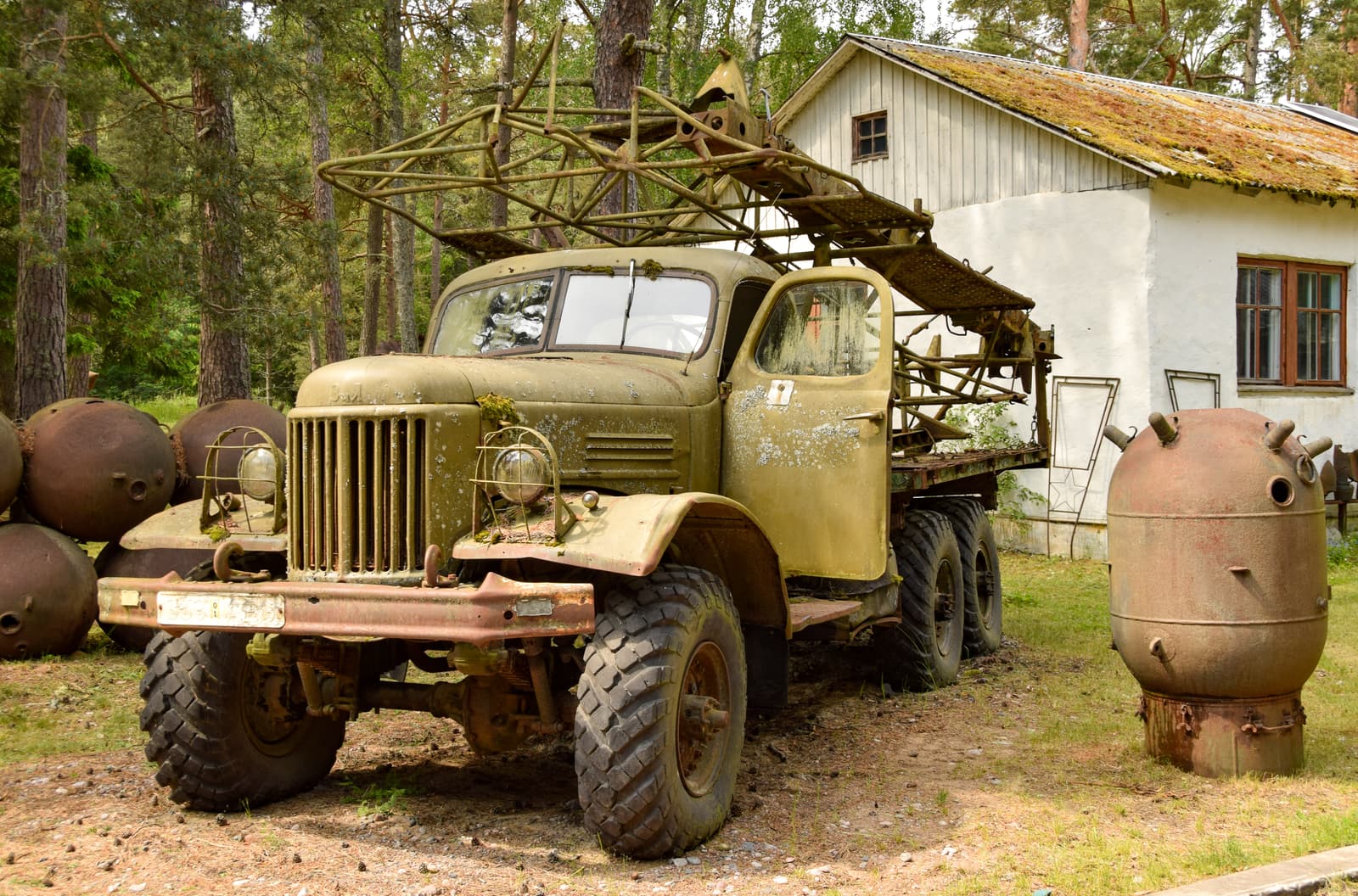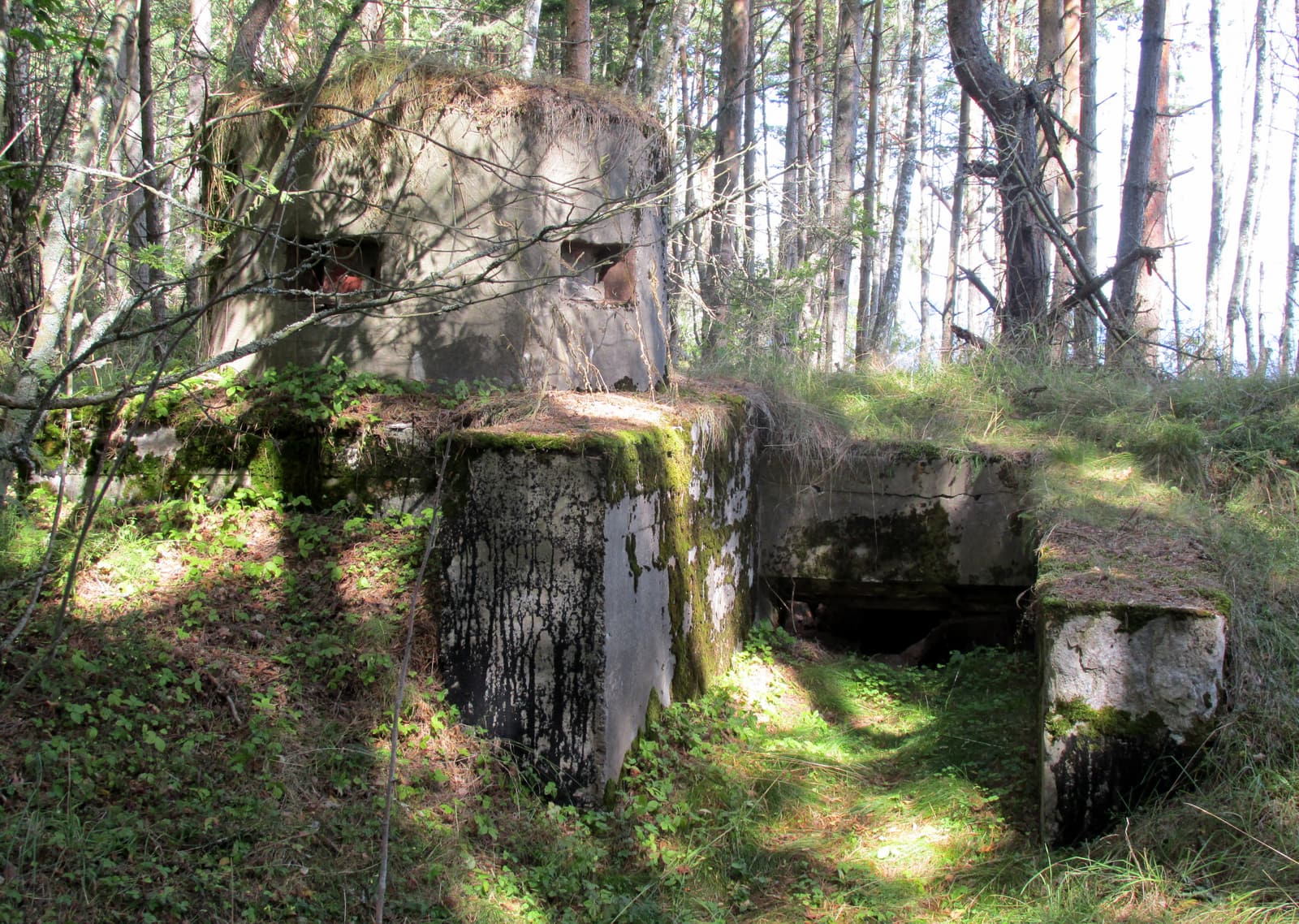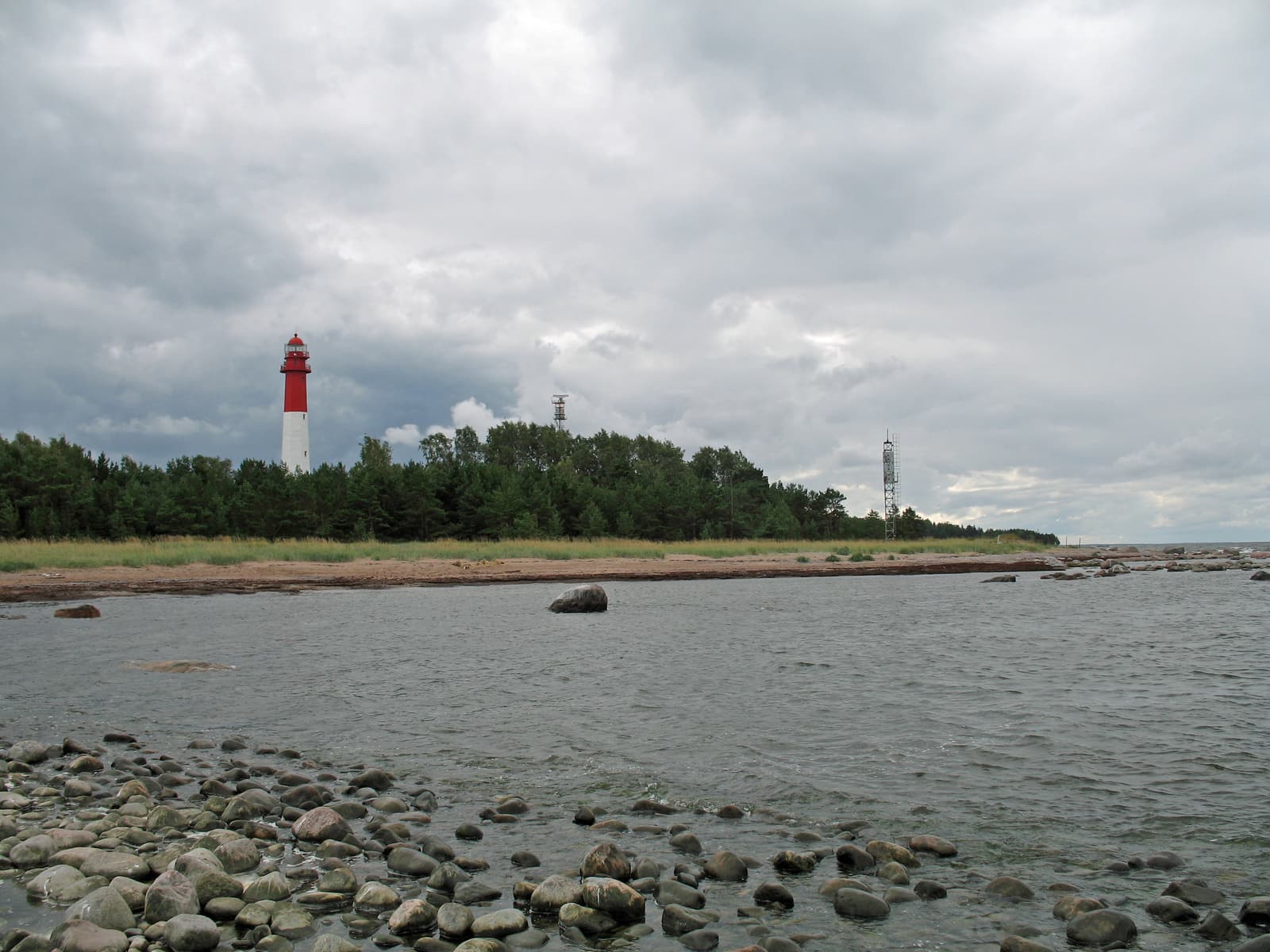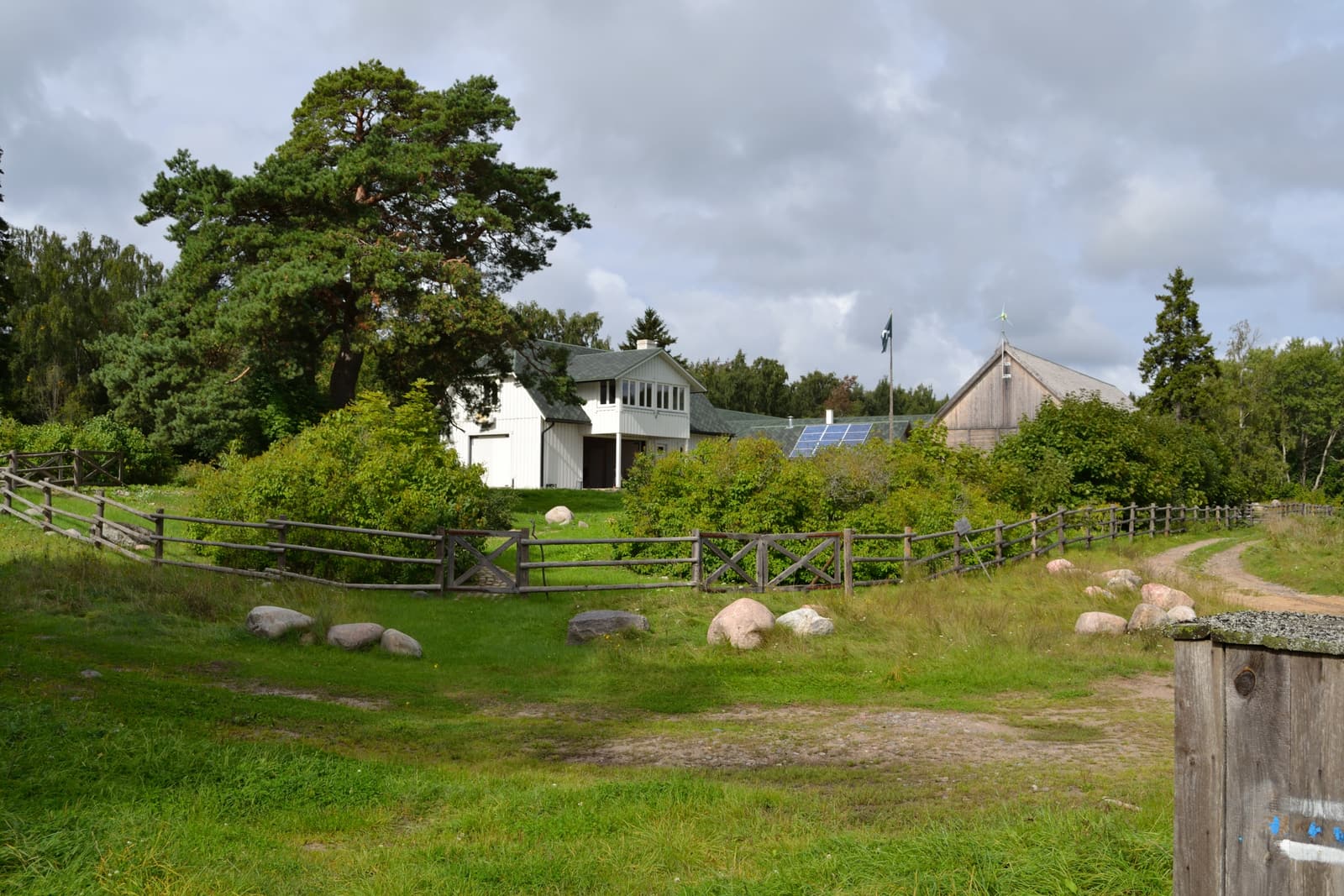
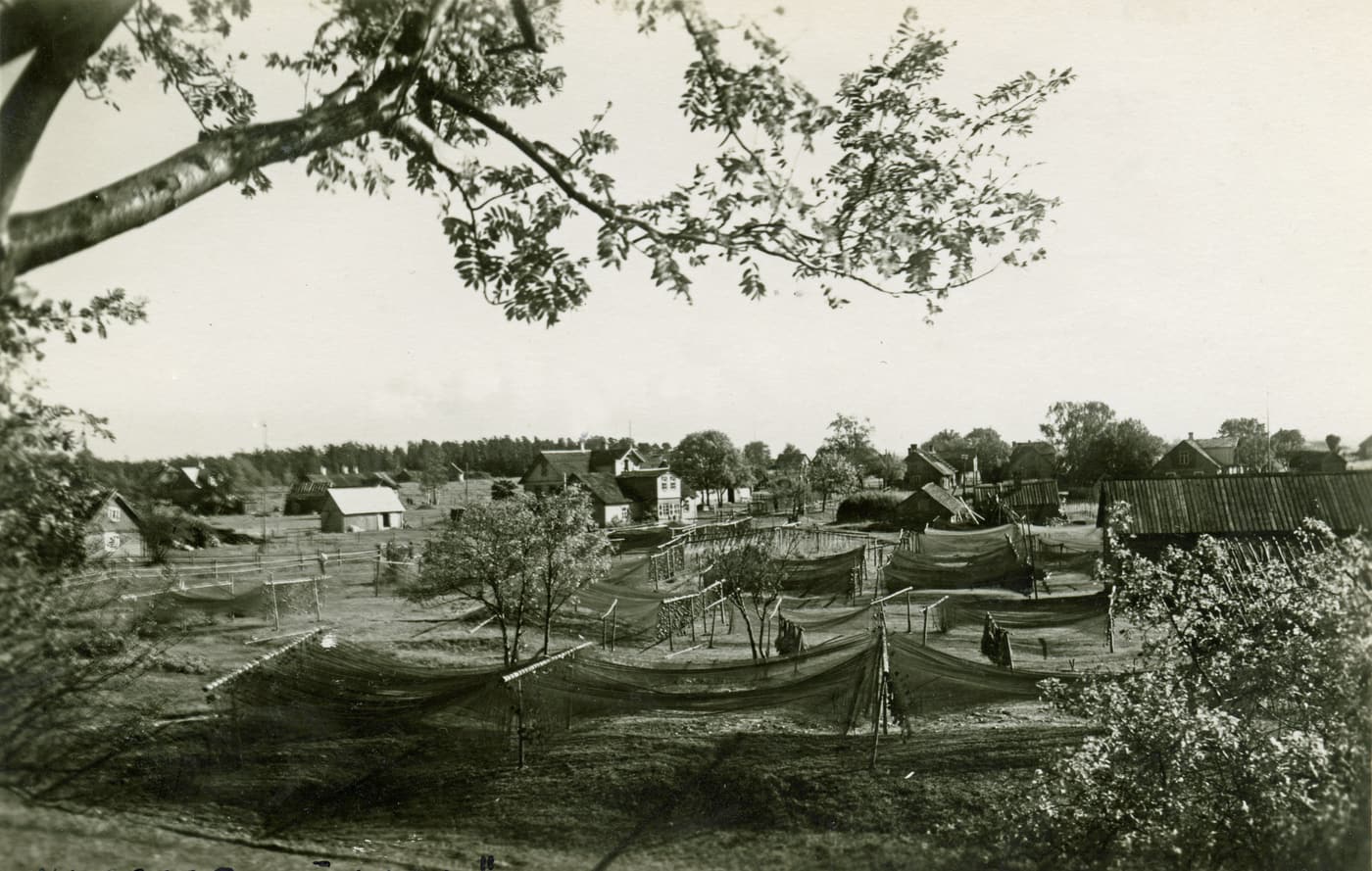
Lõunaküla — “south village”, Storbyn or “big village” to the Swedish speakers who founded it — was the main settlement of Naissaar for centuries. Coastal Swedes fished, hunted seals and piloted ships from here; records of the islanders go back to 1469. They called their island Nargö, and Germans knew it as Nargen.
The 20th century emptied the village twice. In 1913–1914 the people were moved out to make way for the naval fortress; they came back after Estonia’s independence, and in 1934 the island had 449 inhabitants, 158 of them Swedes. Then came 1940, the war, and in 1943–1944 almost everyone left for Sweden ahead of the returning Soviet army. Today a handful of people live on the island all year, joined in summer by the owners of the restored cottages.
Top things to do: Lõunaküla (Storbyn)
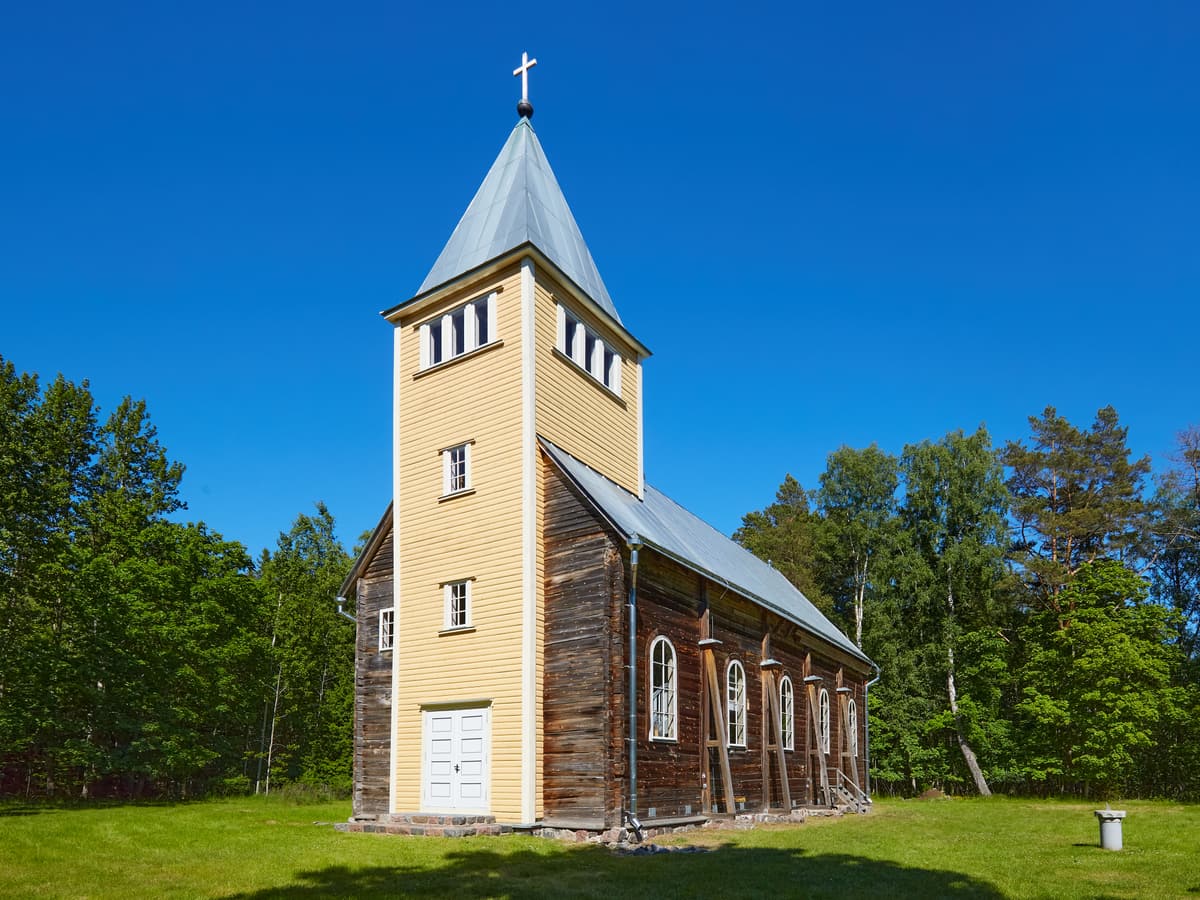
St Mary’s church
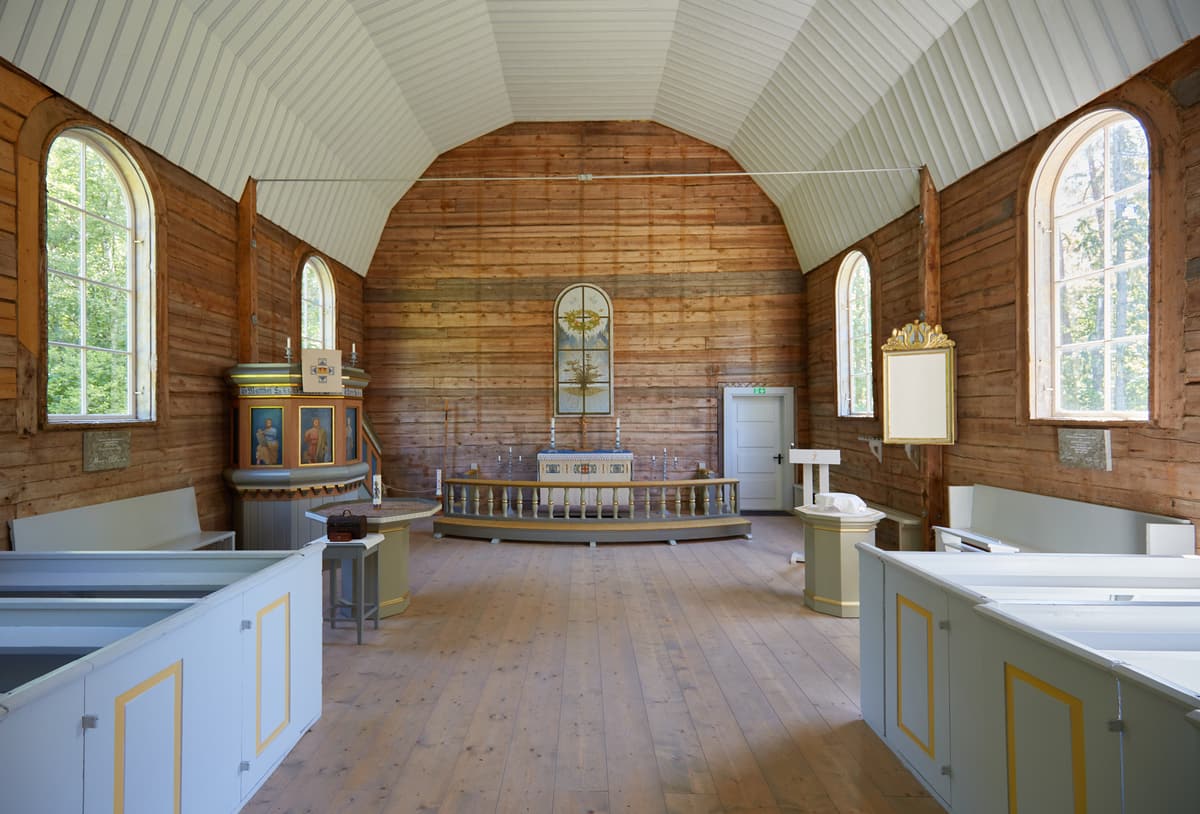
The island’s old church was burned in February 1918. A new wooden St Mary’s church, designed by Karl Treumann, was begun in 1934 and consecrated on 11 September 1938 — and within a few years its congregation was gone. The Soviet garrison used it as a hay barn. After a long restoration it was reconsecrated on 19 August 2018 in the presence of Crown Princess Victoria of Sweden and the President of Estonia.
The village cemetery
A short walk from the church, wooden crosses stand among the pines of the Lutheran cemetery. A granite boulder carved in Swedish remembers the families — Berg, Luther, Rosen, Schmidt and others — who lived on Nargö from the mid-18th century until 1944.
The Bernhard Schmidt memorial
Bernhard Schmidt (1879–1935) was born on Naissaar. As a boy he lost his right arm in an experiment with gunpowder; as a self-taught optician in Germany he invented, in 1930, the wide-field telescope that bears his name and transformed astronomical photography. A bronze plaque on a boulder marks his island origins.
Cottages and stone walls
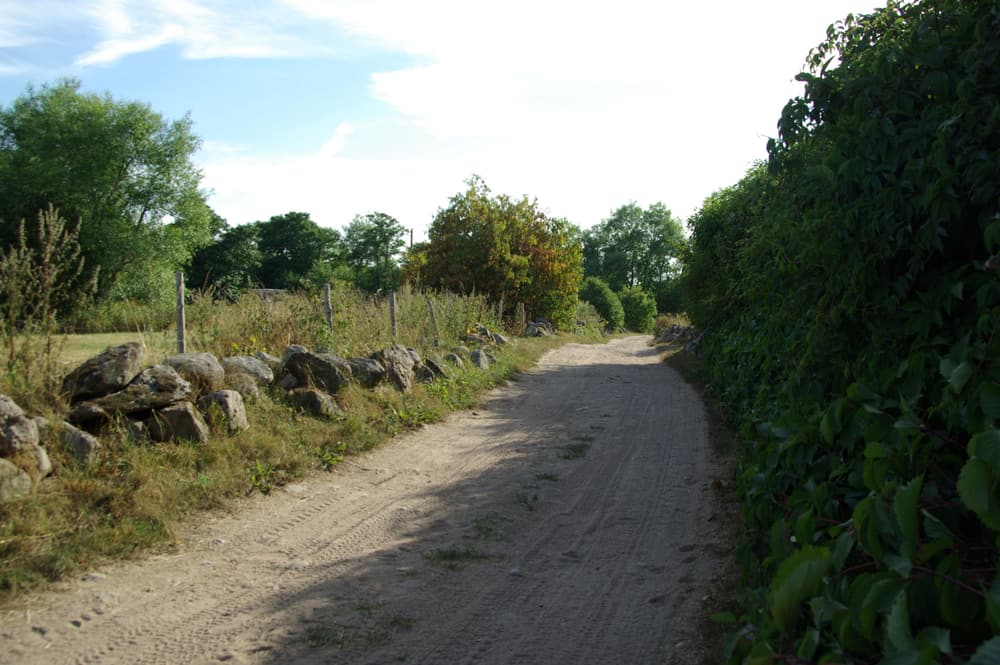
Wander the sandy lanes past restored farmhouses, net sheds and dry-stone walls. These are private homes, so look from the lane. The contrast with the Soviet blocks of Männiku, a kilometre away, is the whole history of the island in a ten-minute walk.
The war graves
Naissaar has several small cemeteries beyond the village one. British and French sailors who died while their fleets held the island during the Crimean War, in 1854 and 1855, lie in their own burial grounds, and there are graves from the prison camp of 1918–1919.
How to get to Lõunaküla (Storbyn)
- From the harbour: Lõunaküla is in the south of the island, roughly 4–5 km from the harbour by forest road — about an hour on foot or 20 minutes by bike.
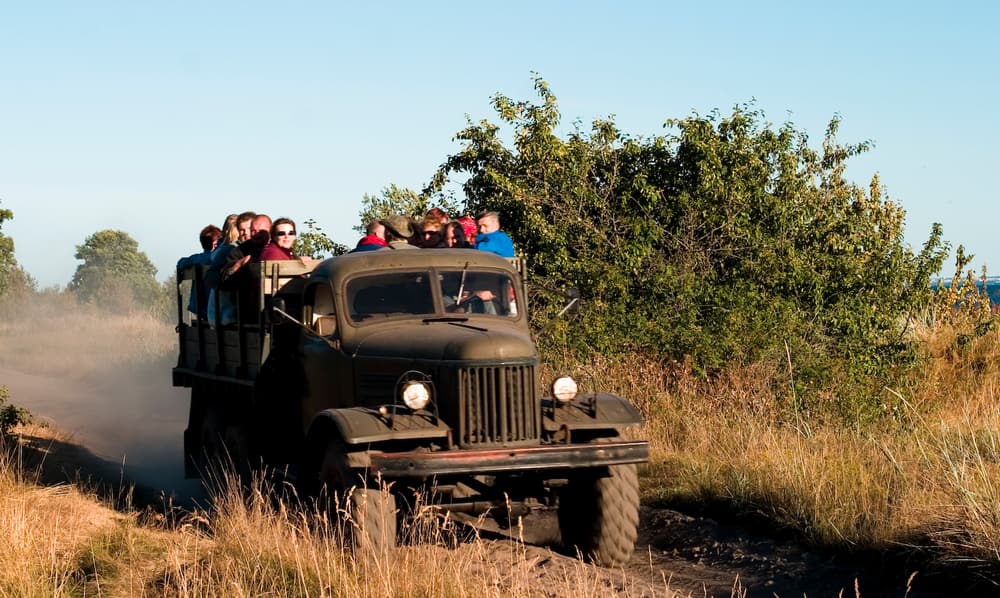
- By train or truck: the seasonal train runs as far as Männiku, from where the village is about a kilometre’s walk west. Truck tours usually stop at the church.
- On the southern trail: the marked southern trail takes in the village, church and cemetery in one loop.
Insider tips
- The church is normally locked outside services and events; in summer it is sometimes opened for visitors and tours.
- Nearly every house is someone’s summer home. Keep to the lanes and ask before photographing people or gardens.
- The village name appears three ways: Lõunaküla (Estonian), Storbyn (Swedish) and simply “the south village” — they are the same place.
- The beaches of the south coast are a few minutes’ walk away and make a good picnic stop.
Best tours & tickets: Lõunaküla (Storbyn)
These experiences are the easiest way to see Lõunaküla (Storbyn):
 Private island trip from €796 per group
 From Tallinn: Half-Day Guided Tour to Naissaar Island
The only Naissaar trip listed on GetYourGuide: a private half-day outing from Tallinn with the crossing and a guide on the island. It is new and has no reviews yet, and the price is for the whole group — it makes most sense when you can share the cost.
- Boat crossing of Tallinn Bay with your own group
- Guided visit to the island’s nature park and military heritage
- Priced per group, not per person
 Island day trip from €157
 All-Inclusive Day Trip from Tallinn: Prangli Island
The best-reviewed small-island day trip from Tallinn that you can book per person. Prangli is Naissaar’s inhabited cousin: a fishing community with a wooden church, a shop and a truck tour — an easy alternative when Naissaar boats do not suit your dates.
- Ferry ride to an island that has been lived on for centuries
- Island tour in an open-top truck with a local guide
- Local lunch and free time by the sea