In 1912 the Russian Empire began work on Peter the Great’s Naval Fortress, a chain of heavy coastal batteries on both shores of the Gulf of Finland meant to stop an enemy fleet reaching St Petersburg. Naissaar, lying across the entrance to Tallinn Bay, was one of its main positions. From 1913 the islanders were moved out and paid compensation, and harbours, a railway and a series of batteries were built — among them nos. 5, 7, 9, 10a, 10b and 11.
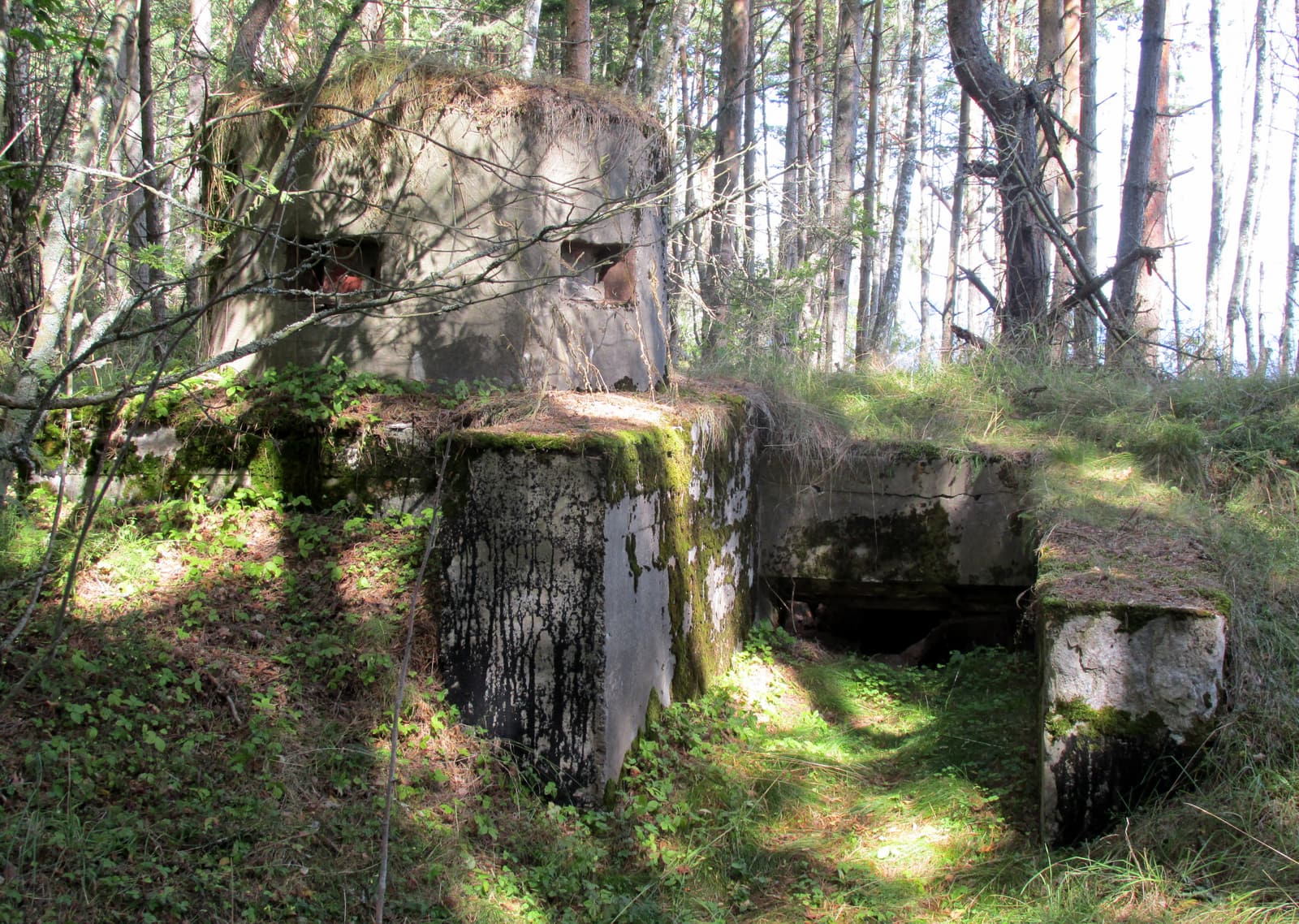
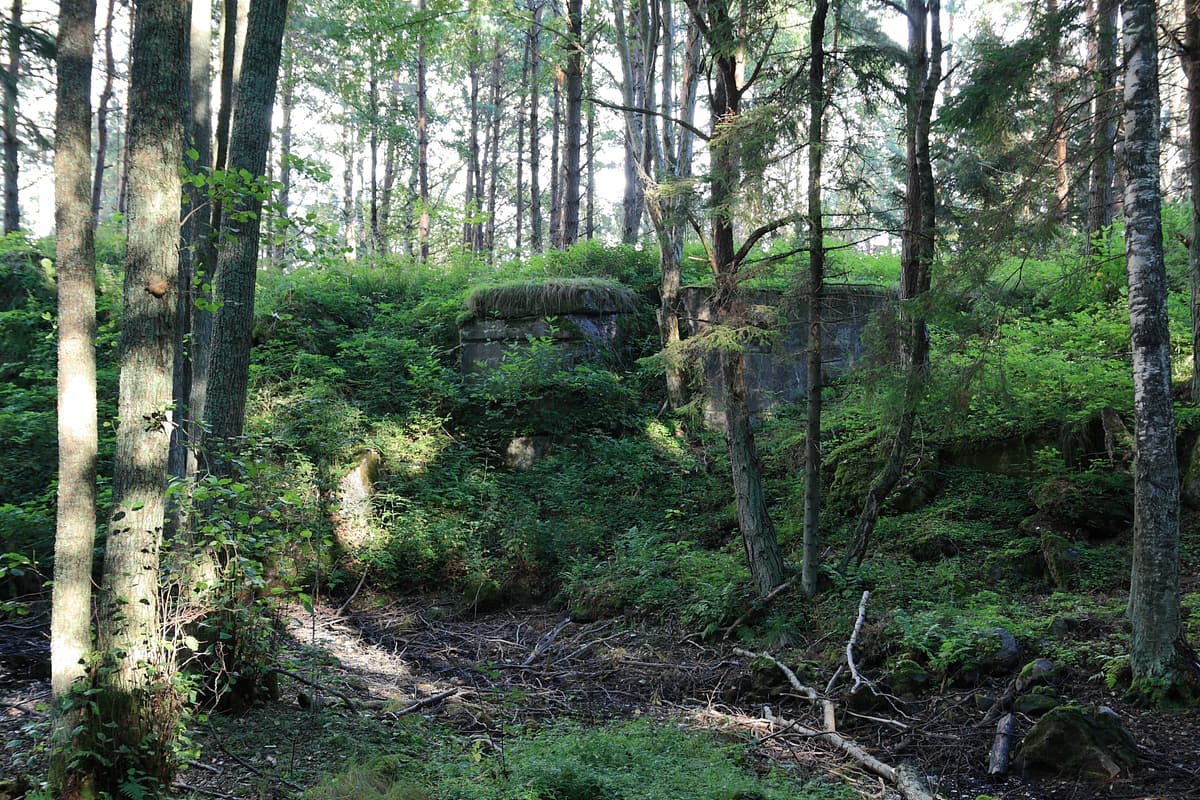
They never fired at an enemy fleet. In February 1918, as German troops approached, the retreating Russian garrison blew up much of what it had built. A century later the shattered concrete lies deep in the forest, roofed with moss and bilberry — some of the most atmospheric military ruins on the Baltic.
Top things to do: Coastal Batteries
See the heavy batteries in the north
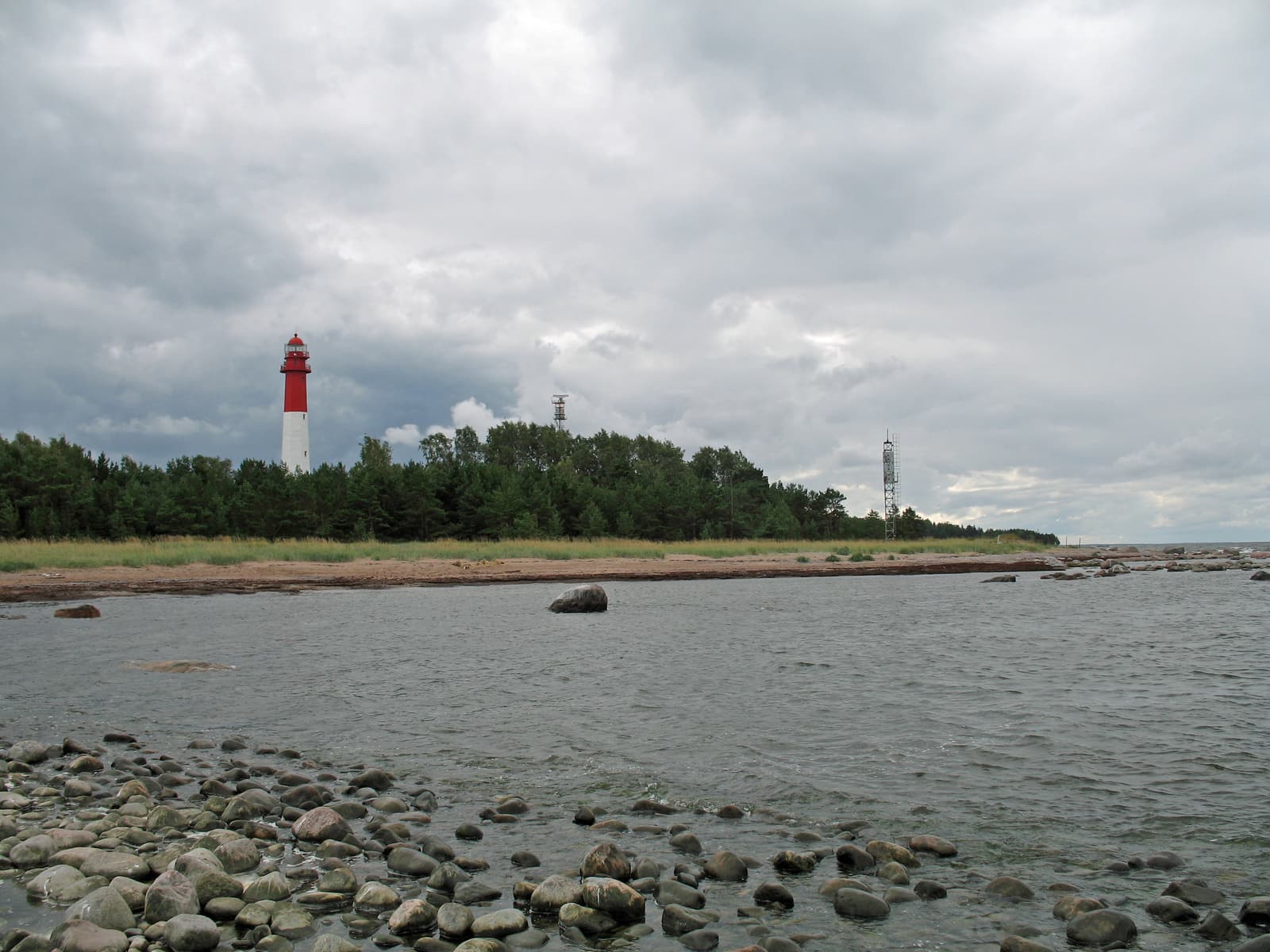
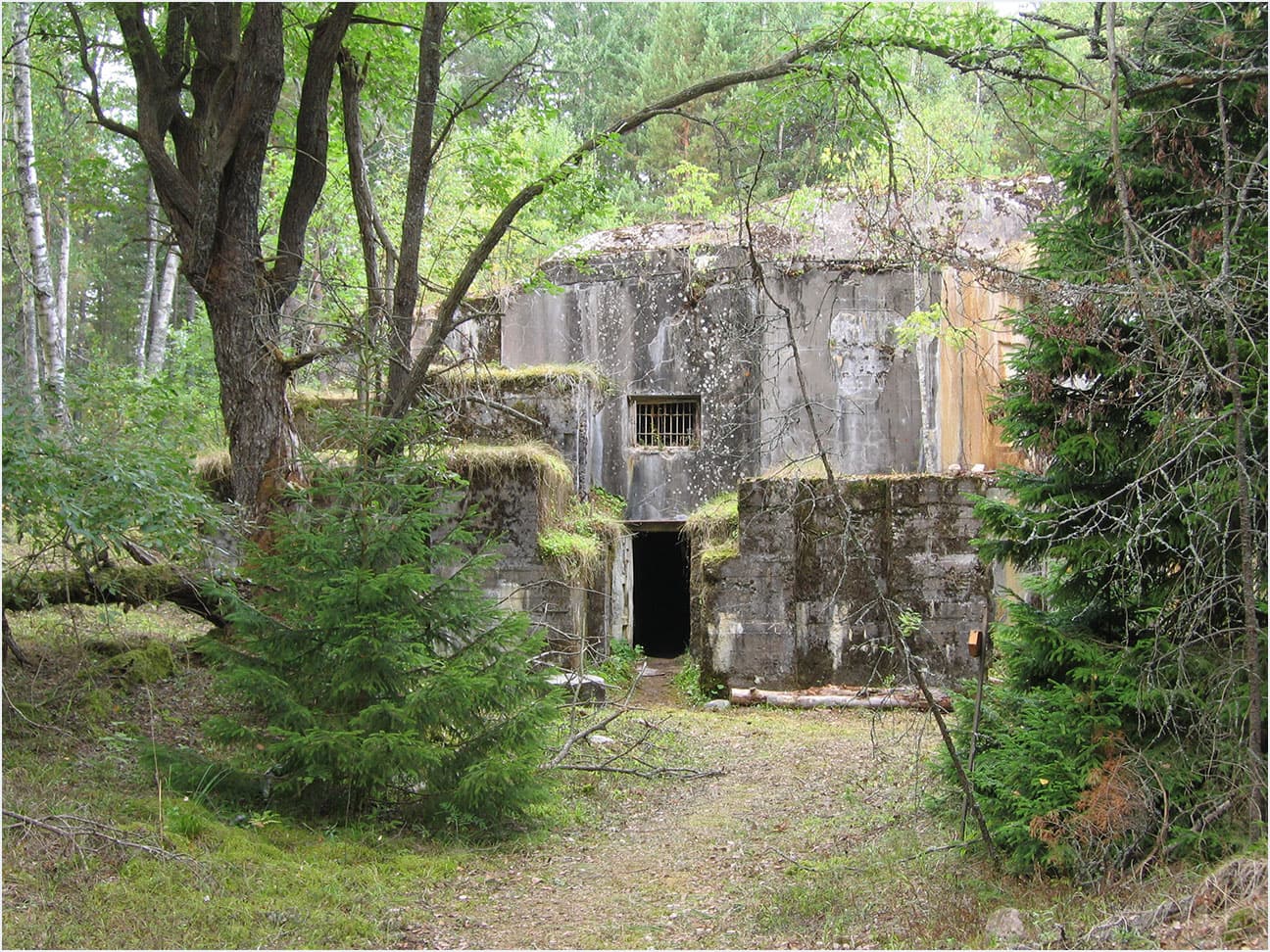
The largest works, batteries 10a and 10b, were built near the northern end of the island for the fortress’s heaviest turret guns. Their multi-storey concrete blocks, shafts and passages are the most impressive on Naissaar. Combine them with the lighthouse on the northern trail.
Find battery no. 9
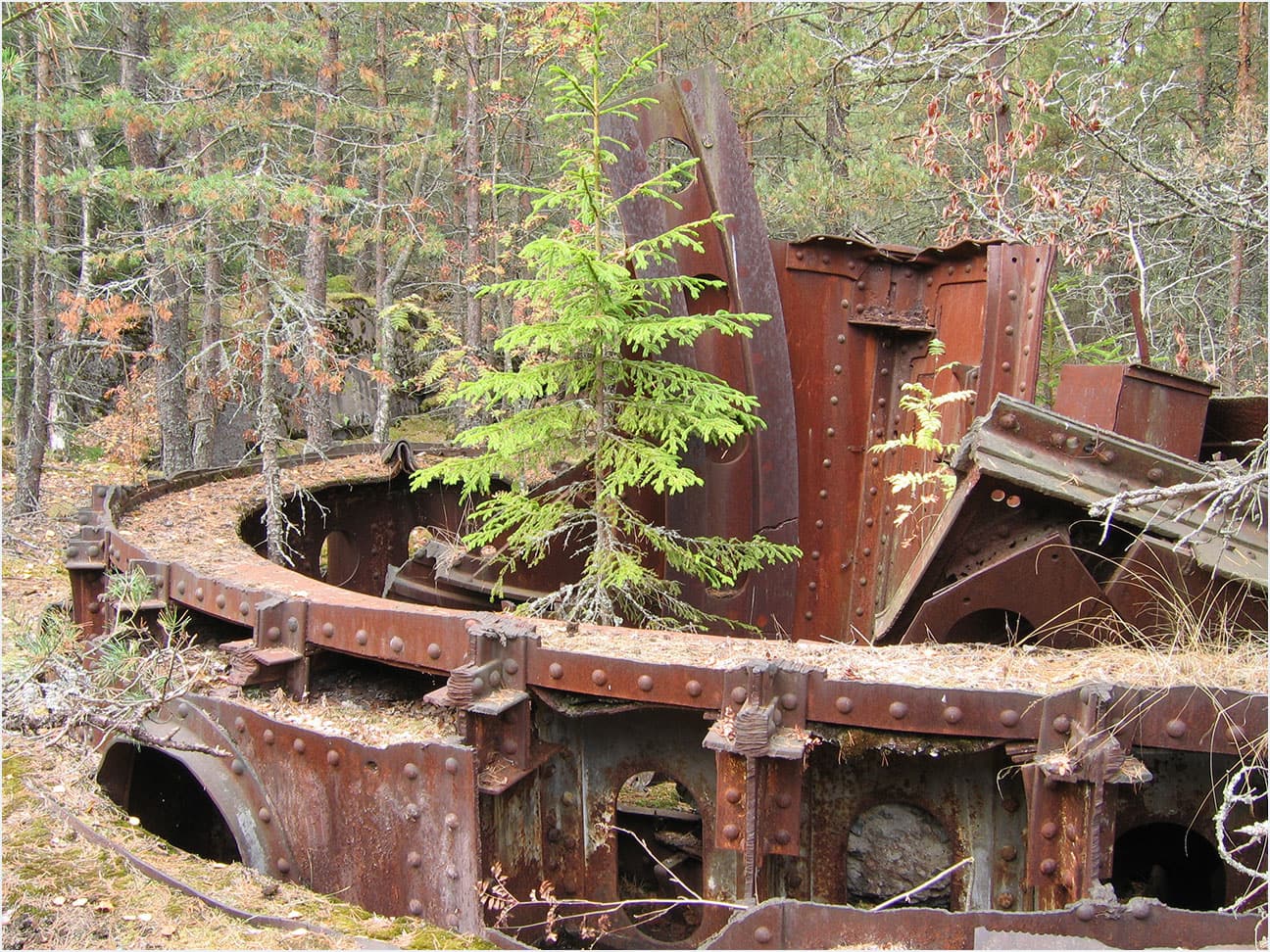
At battery 9 the rusted ring of a gun mounting still sits in its concrete pit with young spruce growing through it — the image that best sums up the island’s military past.
Visit the smaller batteries
Batteries 5, 7 and 11 are lower, open positions with gun platforms, ammunition niches and shelters. They are easier to read than the big works and show how the whole coast was covered by overlapping fire.
Look for the older forts
The 20th-century batteries were not the first. Sweden threw up a small fort here in 1705 during the Great Northern War, and after Russia’s victory a five-bastioned earthwork was built in 1720. Its grassy ramparts can still be traced in the south of the island.
Follow the railway beds
Every battery was served by the fortress railway. Its embankments now make straight, level forest paths that link one ruin to the next.
How to get to Coastal Batteries
- On foot or by bike: the batteries are spread over the northern and western half of the island, several kilometres from the harbour. The central and northern marked trails pass the main ones; a bicycle makes a day visit far more comfortable.
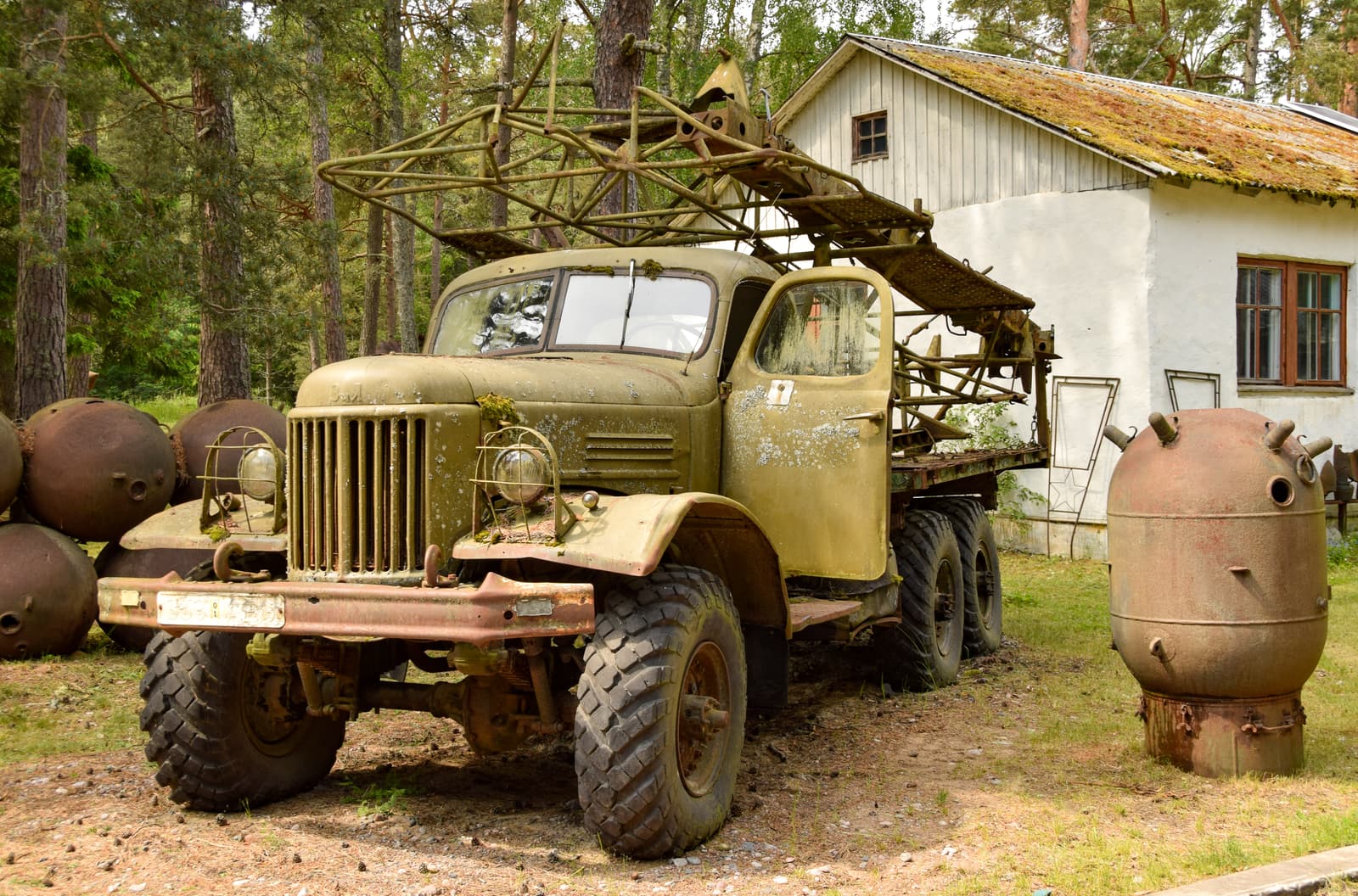
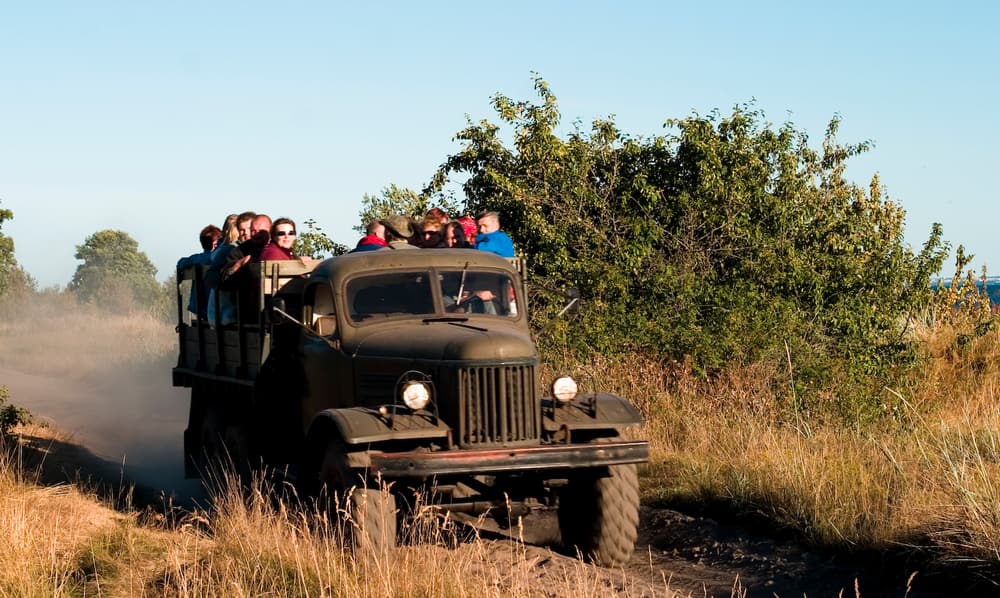
- By truck tour: the guided truck tours that meet the boats in season normally include at least one battery — the simplest way to see them if you have only a few hours.
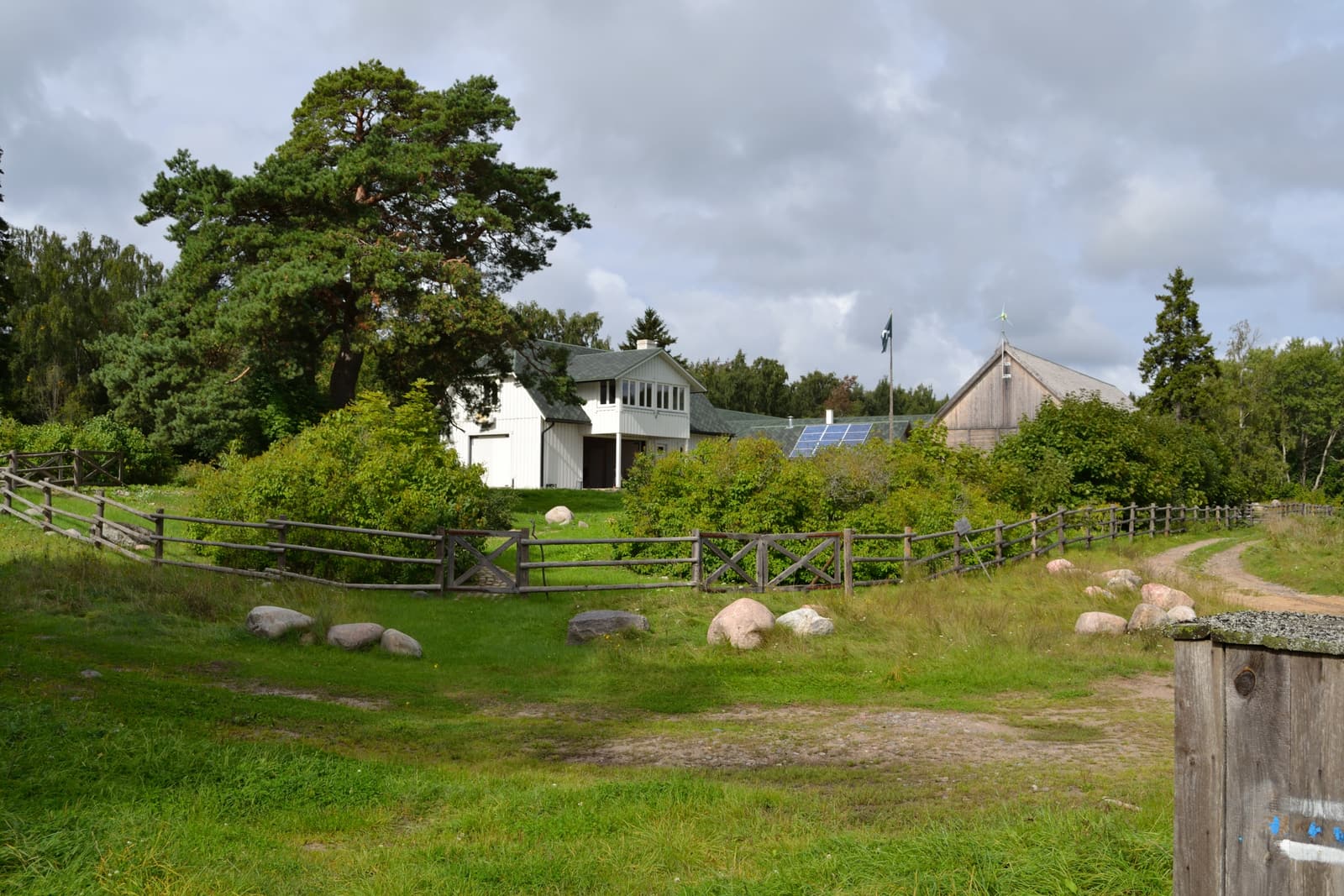
- To the island: boats run from Tallinn in season; see getting to Naissaar.
Insider tips
- Bring a torch if you want to look into doorways — but do not go deep into underground rooms. There are open shafts, flooded floors and loose concrete.
- Keep to the paths: this was a fortress and then a Soviet base, and unexploded ordnance is still occasionally found on the island.
- Long trousers and insect repellent make the forest far more pleasant. Ticks are present from spring to autumn.
- Download an offline map before you sail. Signposting is decent on the marked trails, but the batteries are scattered and mobile data can be patchy in the forest.
Best tours & tickets: Coastal Batteries
These experiences are the easiest way to see Coastal Batteries:
 Private island trip from €796 per group
 From Tallinn: Half-Day Guided Tour to Naissaar Island
The only Naissaar trip listed on GetYourGuide: a private half-day outing from Tallinn with the crossing and a guide on the island. It is new and has no reviews yet, and the price is for the whole group — it makes most sense when you can share the cost.
- Boat crossing of Tallinn Bay with your own group
- Guided visit to the island’s nature park and military heritage
- Priced per group, not per person
 Guided tour from €167
 Tallinn: Behind the Iron Curtain Soviet Secrets Guided Tour
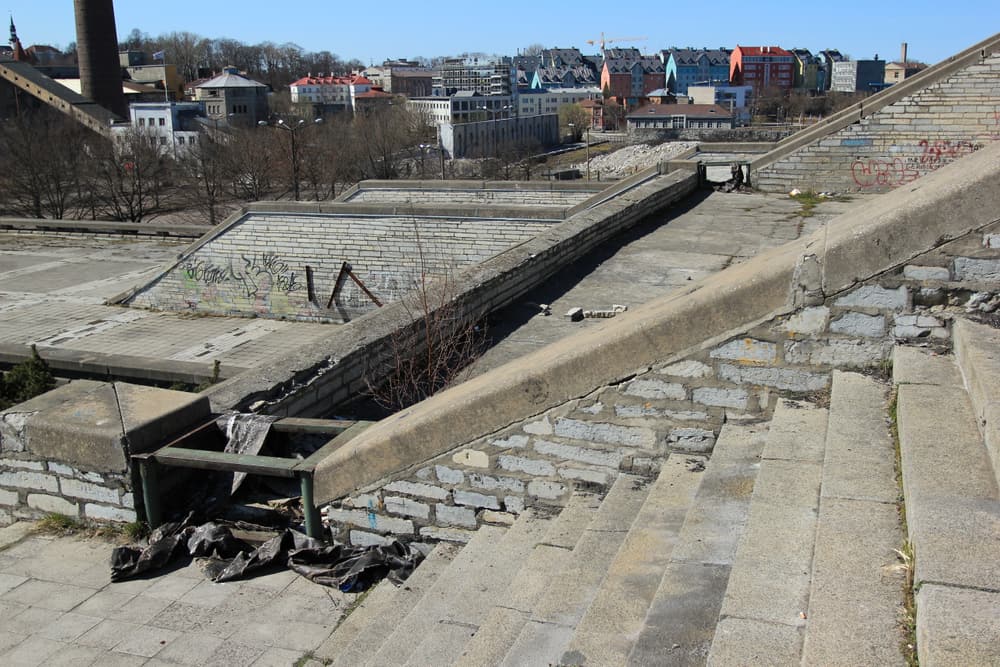
A longer tour by vehicle to Soviet military sites outside the centre. It is the closest thing on the mainland to what you see on Naissaar: a coast that was fenced off, guarded and armed for half a century.
- An abandoned air-defence base
- Former border zones on the coast
- How the Moscow Olympics reached Estonia’s shore
 Day trip from €125
 Tallinn: Rummu Quarry, Coastal Cliffs & Keila Waterfall
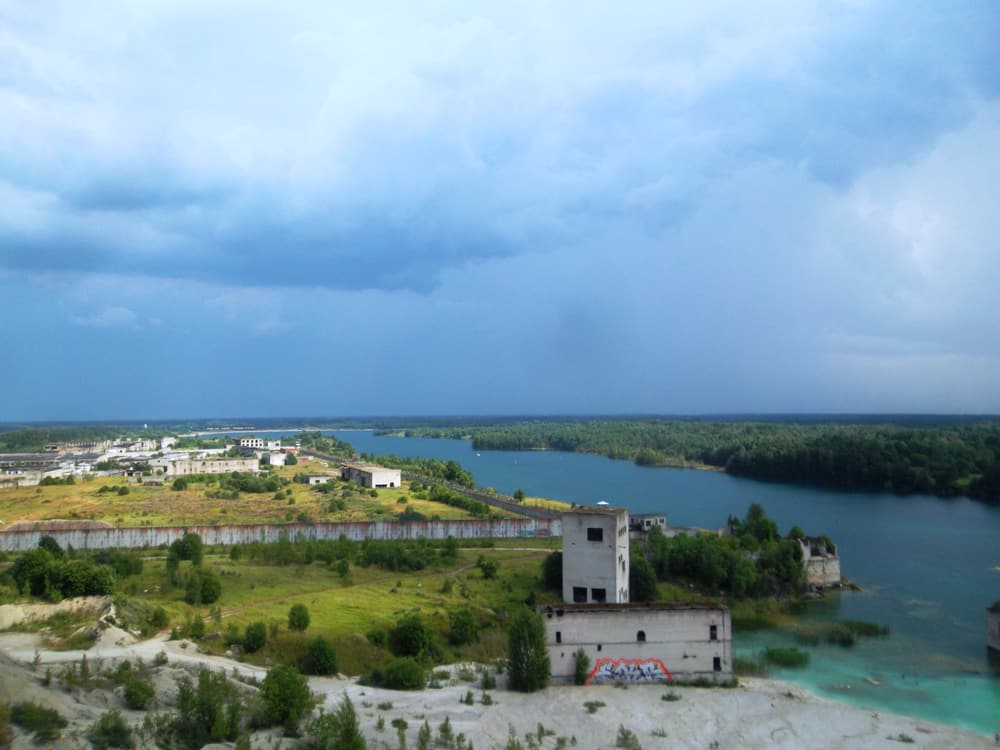
A day west of Tallinn among coastal cliffs and Soviet-era sites, on the mainland shore south-west of Naissaar. Well reviewed and a good match for the island’s mood.
- The surreal submerged quarry at Rummu
- Limestone cliffs of the Pakri peninsula
- Keila waterfall